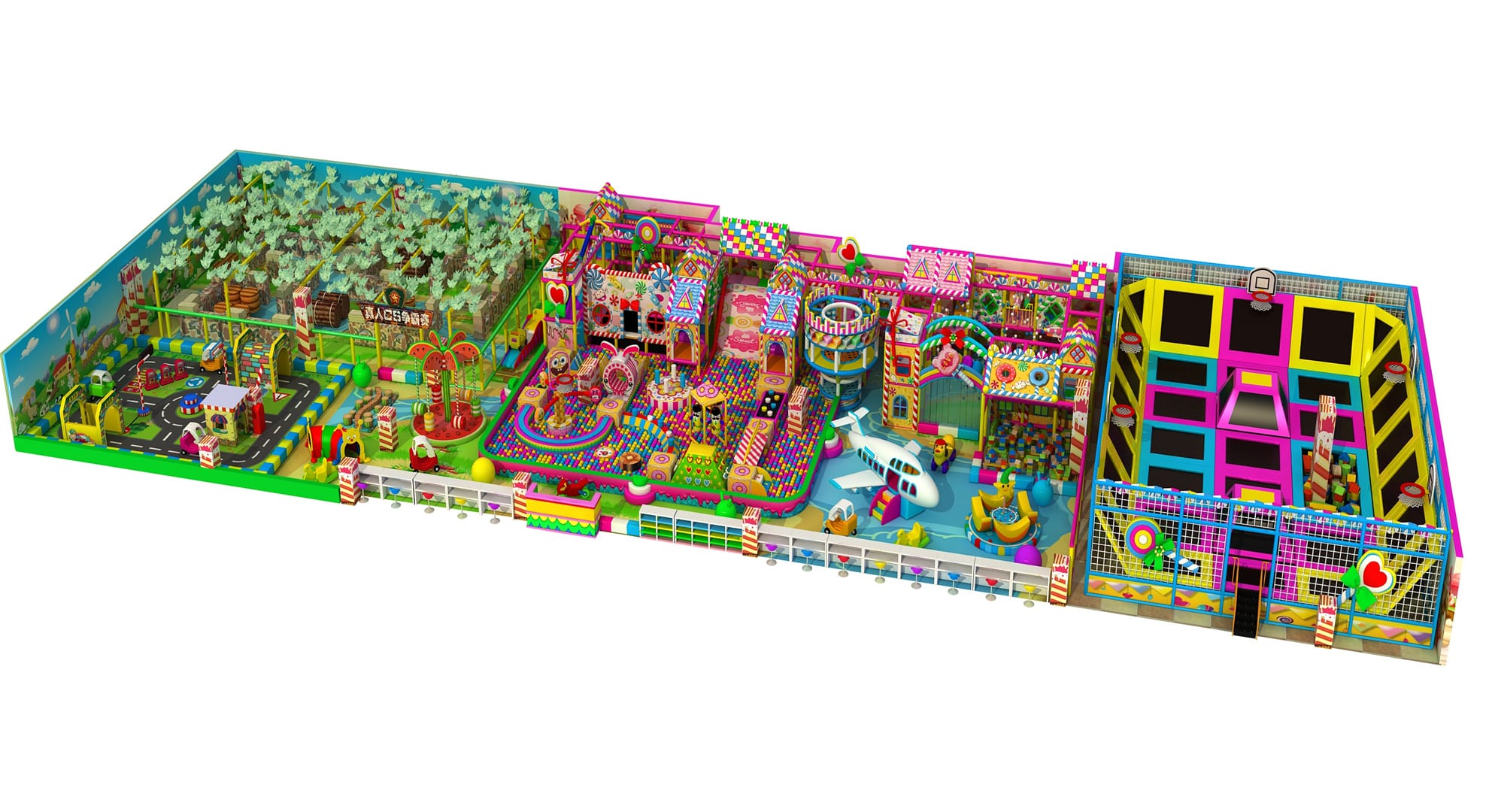
When you establish an indoor playground, one of your first concerns is determining how many square meters you will need. The size of your play area directly affects safety, enjoyment, and long-term profitability. A space that is too small can feel crowded and limit the activities you can offer, while a building that is too large can increase operating costs without adding real value. Choosing the right building size for your indoor playground project is a crucial decision that impacts both customer satisfaction and return on investment.
At Nanplay, with extensive experience in designing, manufacturing, and installing indoor playground equipment worldwide, we help you evaluate all the essential factors to make the best choice. There is no one-size-fits-all answer; the ideal space depends on your budget, target audience, product mix, location, and overall business scale. By the end of this guide, you’ll know exactly how to measure the appropriate area for your concept—whether you’re planning a soft play zone, trampoline park, or challenging ninja course—ensuring a well-designed, efficient, and profitable indoor play area.
When you think of designing an indoor play area, you might picture bright colors, slides, or a big trampoline park with kids laughing and having a good time. Perhaps the most important consideration is the indoor playground area’s size. Everything is impacted by your choice of square meters, including the amount of space you require for your play area, trade show, and even client happiness.
First of all, in addition to being unpleasant, a packed and crowded playground can be dangerous. If your indoor play area is too small for the number of kids, there is a risk of accidents, injuries, or kids becoming lost. By precisely measuring the play area, you can make sure that there is enough safe space around climbing walls, trampolines, and slides. Knowing that their children have an adequate, safe room to play makes parents feel more at peace.
Children thrive when allowed the opportunity to explore. Children may feel cramped or quickly become bored if your indoor play space is too small. However, when children have access to a good indoor play environment with enough space for running, climbing, and relaxing, they may play for longer periods of time and return more often. Simply having more space does not automatically translate into better equipment. It entails having well-designed play spaces that give kids a variety of choices and opportunities to develop.
Fair play is not the only thing impacted by the proper square footage. You will not be able to host birthday parties, group activities, or features like a ninja course or a little kids’ zone if your playground is too small. On the other side, you will not gain from renting a larger office than you require and will have to spend more for workers, heating, and rent. Having a well-designed indoor play space facilitates the smooth operation of your company.
Keep in mind that your clients are the parents as well as the children. Adults require comfortable seating, a wide selection of food and beverages, or a decent view to keep an eye on their children. If your indoor play space is too small, it will be difficult to accommodate these essential amenities. Families are more likely to stay longer, spend more money, and visit more frequently when the play area is large and well-kept.
The size of your indoor play space should be ideal for fostering your growth and development. A trampoline area, ninja course equipment, or even a climbing wall could be added to the playground once you have started with soft play equipment. You will not have any restrictions later if you pick the correct area now.

Before you decide to build an indoor playground, you need to consider the following factors as they have a role to play in helping you determine the right size for it.
Lastly, when considering an indoor playground size, you must factor in structural elements such as load bearing walls, pillars, and ventilation. Some facilities may have layout restrictions that limit the installation of certain indoor playground equipment. Therefore when setting up an indoor playground, ensure to get the best indoor play area manufacturers that would help you take accurate measurements of structures.
No matter how much space you have, a well-designed indoor play area design may turn a modest setup into a fun and useful play area.
Instead of arranging all of your toys on the floor, think about stacking them with some private indoor playground equipment. Multi-level play structures allow you to fit tunnels, slides, and climbing nets into a smaller space. A three-story tower provides three times as much area for movement as a one-story configuration, yet uses the same amount of space. By piling things on top of each other, you may make additional room on the floor for different fun activities, like trampolines or a ninja course.
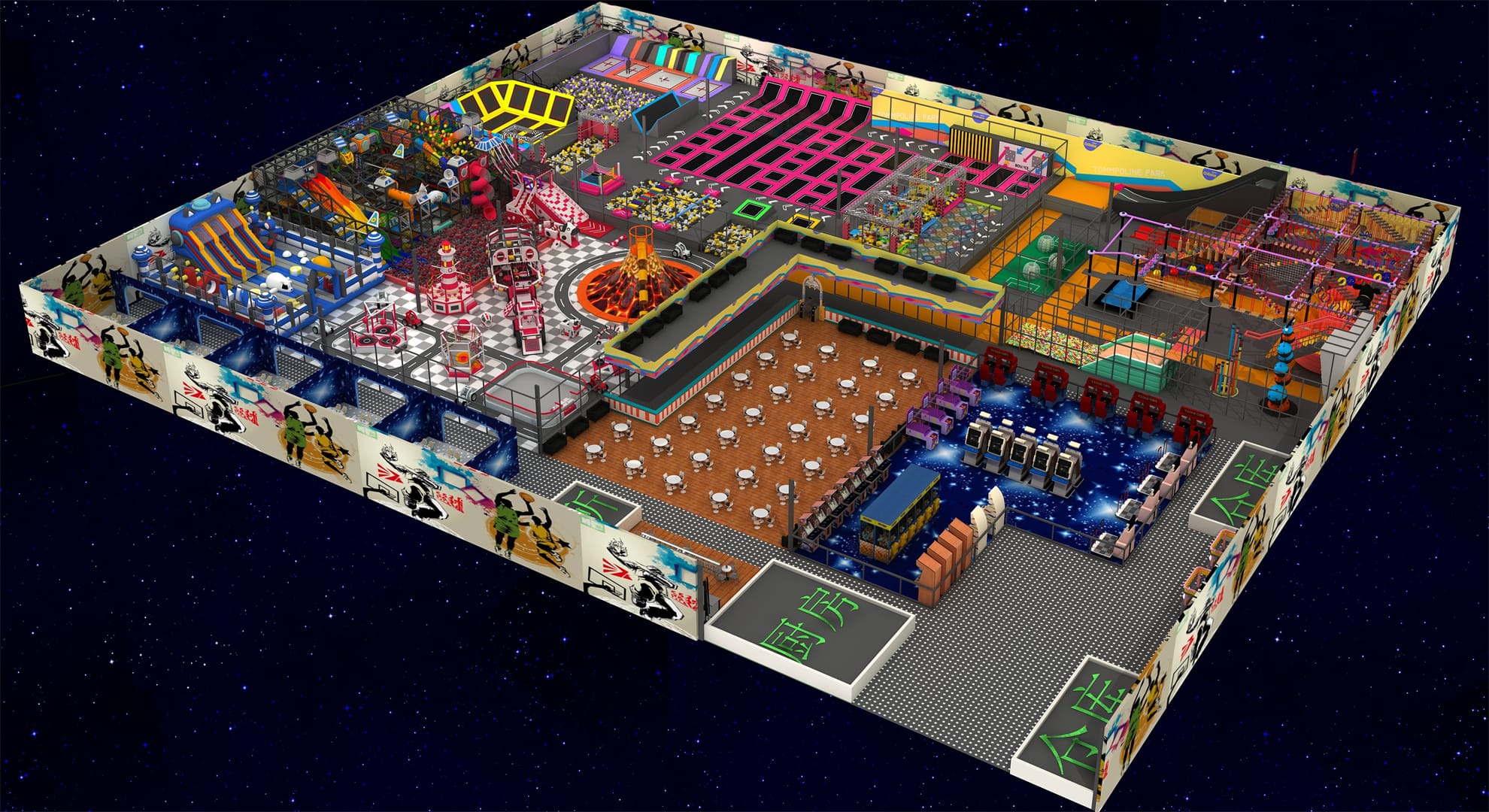
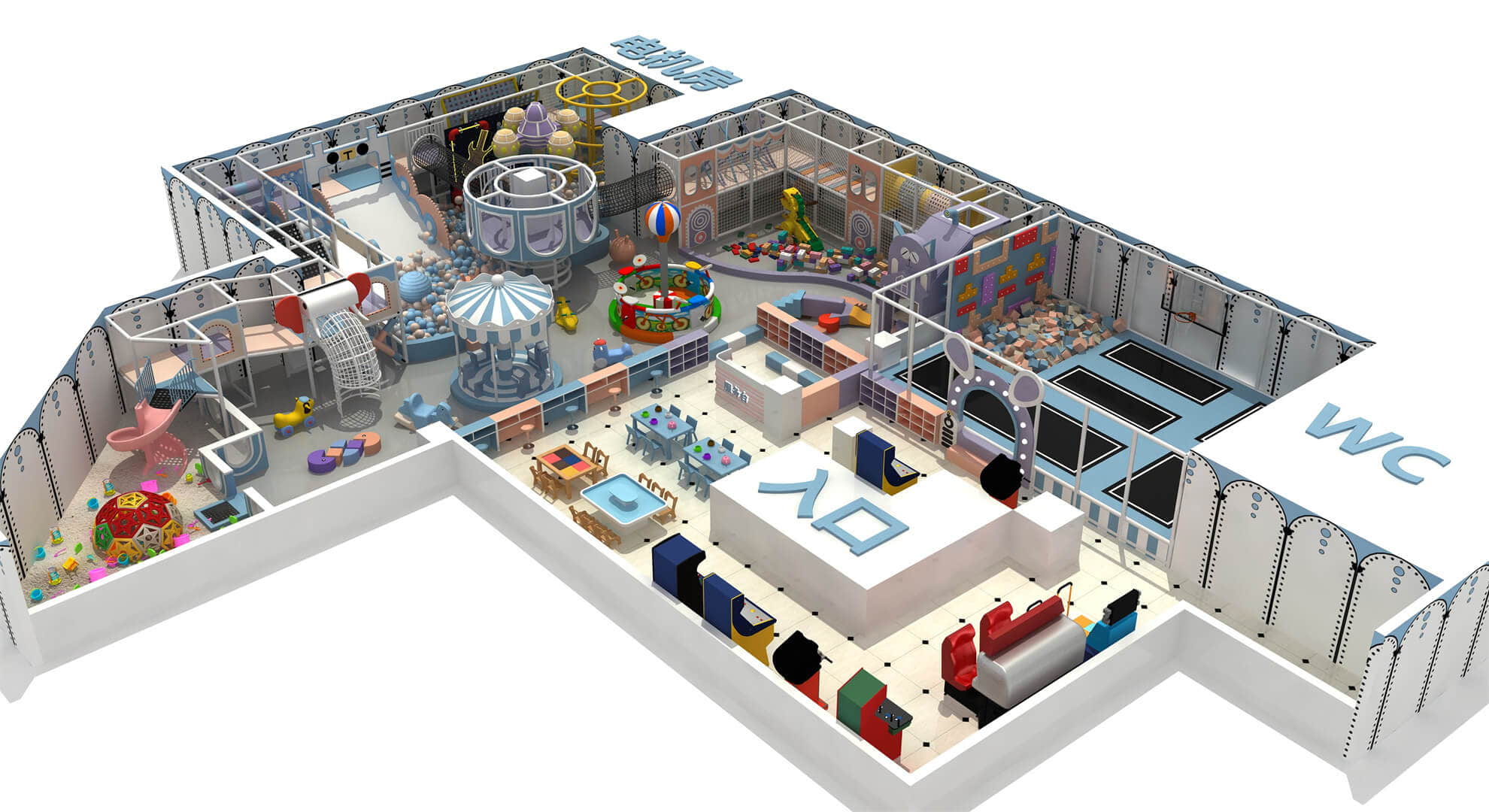
Zoning must be carefully taken into account when designing a lovely play area. When your indoor play area is separated into sections for various age groups, activities go more smoothly, and everyone is kept safer. A small toddler play area can be set up in a corner using soft mats and delicate play structures. Older kids can have their own space with more exciting elements like trampolines, climbing walls, and rope courses. This makes the playground safer and ensures that everyone, regardless of age, loves it.
Using small formats can help you make the most of your available space. Instead of keeping each hobby separate, think about how you could mix activities in one place. For example, tunnels can go under climbing nets, ball pits can be connected to slides, and smart outdoor playground equipment can be installed in multi-story buildings. These creative playground designs make effective use of the existing space while emphasizing enjoyment.
Support zones are important when choosing the size of your playground, even if they do not need to take up a lot of indoor playground . You can maintain the center of the room clear for active play while still enabling parents to watch what is happening by placing seats along the walls. While lesser areas can be used for vending machines, lockers, or storage, the upper floors can be used for party spaces. By properly planning indoor play areas, you can achieve a balance between comfort amenities and play areas.
Never sacrifice safety in an effort to make the most of the space in your play area. When items are positioned too close to trampolines, climbing walls, or slides, accidents may happen. A well-designed indoor play area not only lowers the chance of accidents but also provides kids a sense of openness and lets them move about without running into anything. Playing in a secure environment is always enjoyable.
Finally, when creating an indoor play area, think about the future. Allow for flexibility so that you can grow or improve.
You may want to start with soft play equipment, but later on, you may want to add a trampoline area, a new ninja course, or even elements from a sports field. If you plan your indoor playground with future improvements in mind, it will continue to be interesting and exciting for many years to come.

Indoor playgrounds come in various sizes and choosing the right playground dimension depends on variables such as available space, target audience, budget, and your business goals. To get the best of your indoor playground you must ensure that proper planning in terms of space utilization, materials, structural considerations, and safety standards is met.
Contact us at Nanplay to get you started on how to make informed decisions concerning selecting the right indoor playground dimension and layout to ensure a successful and thriving business.
Q:What factors impact the space needed for an indoor playground?
Key factors include equipment type, age group, budget, building shape, safety clearance, and customer capacity goals.
Q:Can I build an indoor playground in an irregular-shaped space?
Yes. Custom designs allow indoor playground equipment to fit L-shaped, narrow, or multi-level spaces efficiently.
Q:How can I calculate the right square footage for my project?
Start by defining your target audience, selecting equipment types, checking safety zone requirements, and estimating peak visitor capacity. A professional manufacturer can create a layout plan to maximize your usable area.
Thank you very much for your inquiry! Your trust is our greatest motivation. We are committed to offering playgrounds that combine high quality with affordable pricing. Let us bring vitality to your venue!