18 8 月 2026
18 8 月 2026
18 8 月 2026

18 8 月 2026
18 8 月 2026
With the continuous development of the Trampoline Park industry, safety has become one of the important factors affecting the long-term operation of the venue. Effective Trampoline Park Injury Prevention can not only protect the safety of tourists but also help operators reduce risks and improve customer satisfaction.
For most Family Entertainment Centers (FECs), a safe environment can improve customer trust, increase the return visit rate, and help brands establish a good reputation in the market. Therefore, safety management is not only an operational requirement but also an important part of improving competitiveness.
There is a direct connection between security and profitability.
Every injury accident may lead to:
Perfect FEC Safety Management can help operators reduce the incidence of accidents and reduce the risk of legal liability. In the long run, safety investment is usually much lower than the economic losses caused by accidents.
In most Trampoline Parks, the risk is mainly concentrated in high-interaction areas.
Common risks include:
Understanding these risk sources is the first step in establishing effective Trampoline Park Safety Guidelines.
A collision between tourists is one of the most common causes of injury.
When multiple participants use the same area at the same time, especially during peak hours, the risk of collision increases significantly. This risk tends to be higher when children and adults use mixed areas.
Therefore, reasonable control of the number of people and regional division are important measures to reduce the incidence of accidents.
Many injuries are related to the wrong landing method.
Some tourists will try difficult movements, such as flipping, spinning, or jumping continuously, but lack the necessary training and experience. When the body is out of balance, it is easy to cause ankle, knee, wrist, and even back injuries. Therefore, educating tourists to master the correct jumping and landing skills is one of the core contents of How to Prevent Injuries in Trampoline Parks.
Overcrowding not only affects the playing experience but also increases safety risks.
When there are too many people in the activity area, it is difficult for staff to detect dangerous behaviors in time, and the probability of collisions between tourists will also increase significantly. Many accidents are not caused by equipment problems, but rather by the venue’s failure to reasonably control the passenger flow. Therefore, modern Indoor Trampoline Safety Rules generally emphasize Capacity Control and an appointment management system. Overcrowding not only affects the playing experience but also increases safety risks.
Even if there are perfect rules, the security system still cannot work if it lacks execution.
Although some venues have safety signs, the staff failed to intervene in dangerous behavior in time. For example, multiple people use a trampoline at the same time, run and chase, or try to flip without permission, which can lead to accidents. Continuous supervision and strict implementation of rules are often more effective than adding more logos.
Equipment aging is also a source of risk that cannot be ignored.
After long-term use, Springs, Jumping Mats, Safety Padding, and structural connectors may wear out. Without the establishment of a regular inspection mechanism, these minor problems may gradually develop into serious safety hazards. Therefore, equipment maintenance is an important part of all Trampoline Park Injury Prevention programs.

Among all security measures, the supervision system is generally considered one of the most effective means of prevention. Even if the venue has high-quality equipment, accidents may still occur without effective supervision.
Trained staff should be arranged for real-time monitoring in each activity area. These employees not only need to observe the behavior of tourists, but also should correct violations and implement safety rules in a timely manner. By establishing a perfect supervision system, operators can detect risks and take intervention measures before accidents occur.
Reasonable flow management is crucial to reducing the risk of accidents.
Many successful Trampoline Parks will adopt a Timed Entry System and regional crowd restrictions to avoid overcrowding. Especially on weekends and holidays, passenger flow control during peak hours can effectively reduce collisions and improve the overall tourist experience.
Tourists of different ages and athletic abilities should use different activity areas.
There are obvious differences in physical conditions and exercise levels between children, adolescents, and adults. If the same area is mixed, it is not only prone to collision but also increases the risk of injury. At the same time, managing beginners and advanced players separately also helps to improve the overall security level.
The reason for many accidents is not equipment failure, but tourists’ lack of understanding of the correct code of conduct.
Safety instructions before admission, eye-catching prompts, and on-site broadcast reminders can help visitors understand the basic safety rules. When tourists clearly know which behaviors are allowed and which are at risk, the incidence of accidents usually decreases significantly.
Some dangerous behaviors should be strictly restricted.
For example, unauthorized flipping, multiple people using the same trampoline at the same time, and dangerous chases are all high-risk activities. Operators should establish a clear behavior management system and ensure that staff can detect and stop violations in a timely manner. By controlling high-risk behavior, the venue can significantly reduce the incidence of accidents and improve the overall safety environment.
High-quality Safety Netting and Enclosures are an important part of the modern Trampoline Park Injury Prevention system. High-quality trampoline park equipment is the foundation of any effective safety strategy. They can effectively prevent tourists from falling out of the activity area, thus reducing the risk of serious injury. For children’s activity areas, the enclosure system is an indispensable safety facility.
The operator should regularly check the tension, connection points, and fixed structures of the fence to ensure that all protection facilities are always in optimal condition. Many venue accidents do not occur during jumping, but when tourists lose their balance and touch hard structures. Therefore, a perfect enclosure system can significantly improve the overall safety level.
Even if tourists do not fall out of the activity area, collisions with steel frames or support structures may still cause injuries. Therefore, high-quality Impact-Absorbing Padding Systems are essential to reduce the degree of injury.
All exposed steel frames, support columns, and connectors should be covered with cushioning materials that meet safety standards. As the usage time increases, Padding may wear out, crack, or shift, so it needs to be checked and replaced regularly to ensure that it continues to play a protective role.
In addition to the trampoline itself, the ground system is also an important factor affecting safety.
Modern Shock-Reduction Flooring Materials can absorb the impact of falling, thus reducing the risk of fractures, sprains, and head injuries. Especially in children’s areas and areas around equipment, the use of high-performance cushioning ground materials has become one of the best practices in the industry.
Safe structural design is the basis of all Trampoline Park Safety Guidelines. High-quality Frames and Springs can not only improve the durability of the equipment but also reduce the risk of structural failure.
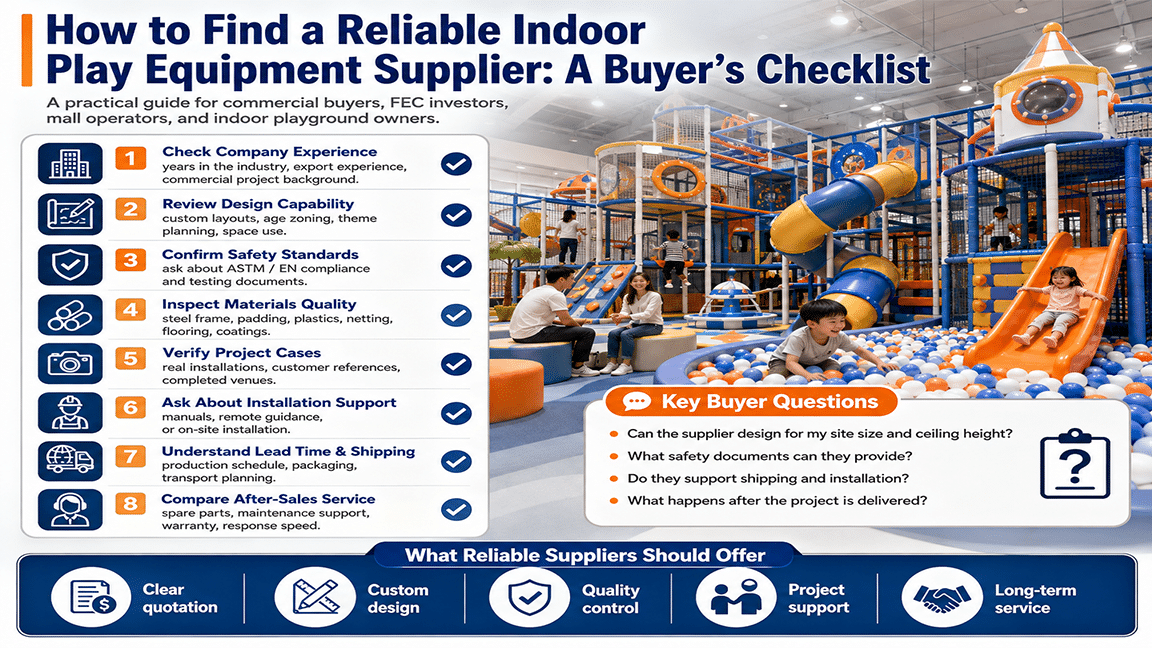
When purchasing equipment, operators should give priority to products that meet international safety standards. Working with an experienced trampoline park manufacturer can help operators improve safety and long-term reliability. At the same time, by regularly checking the spring tension, the firmness of the connector, and the stability of the steel structure, potential problems can be found and addressed in time.
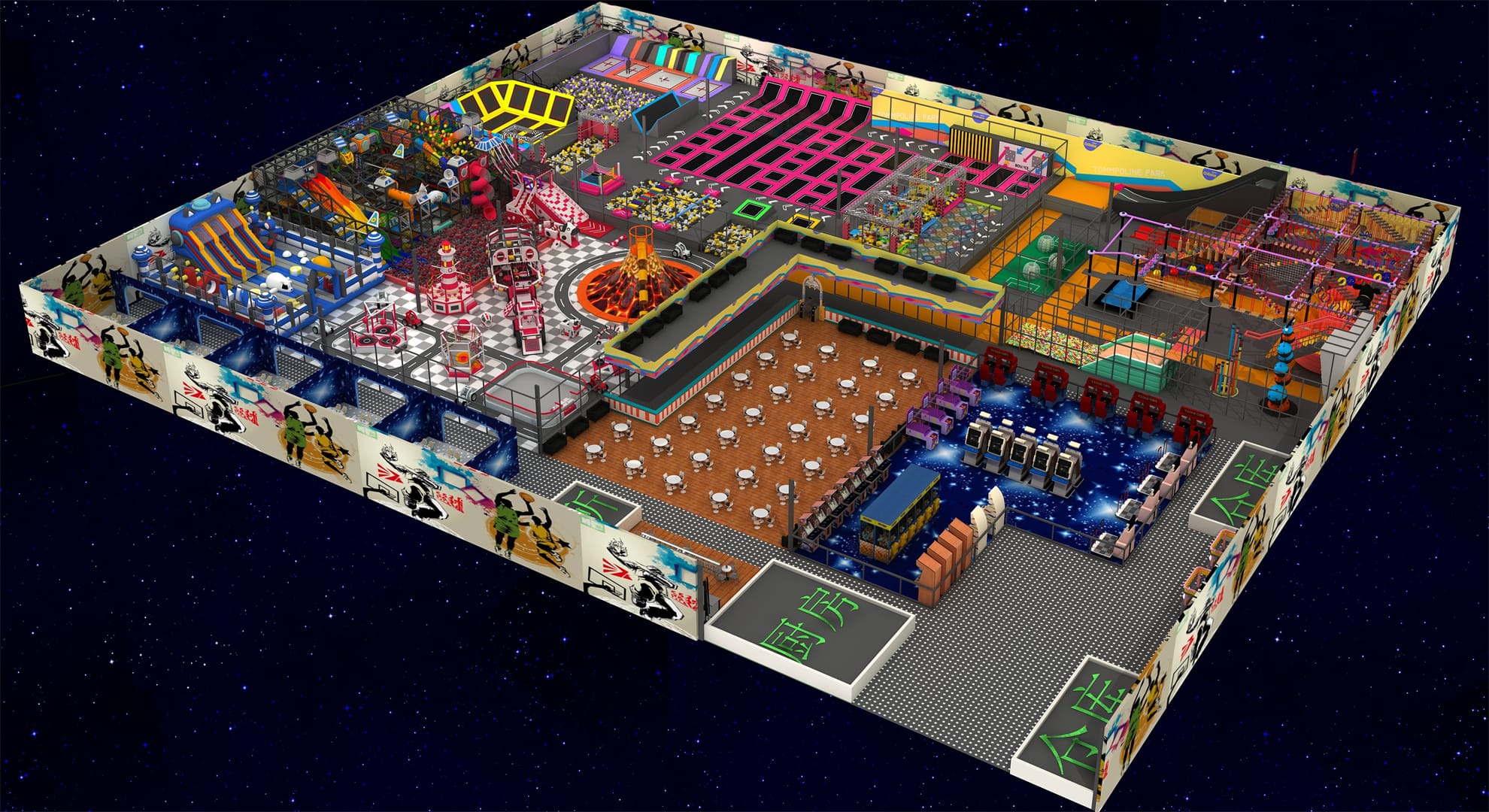
Modern Trampoline Park is no longer a single jumping area, but combines a variety of projects such as Foam Pit, Ninja Course, Climbing Area, and Dodgeball Court.
If there is no reasonable zoning between these projects, the risks arising from different activities may affect each other. Scientific Zoning Design can help tourists experience different projects in a safe environment while reducing the risk of interference and collision between areas.
Daily inspection is one of the most direct and effective ways to find safety problems.
The operation team should check all key equipment before opening, including Jumping Mats, Springs, Safety Padding, and enclaves systems. Through Daily Inspection, wear, loosening, or damage problems can be found in time, so as to avoid minor faults from developing into major accidents.
In addition to daily inspection, more in-depth structural inspection should be carried out every week.
The key inspection contents include steel structures, support systems, connectors, and high-frequency use areas. Through Weekly Inspection, operators can continuously assess the status of the equipment and ensure that all core structures maintain good performance.
Monthly maintenance is not only to clean the equipment, but more importantly, to comprehensively evaluate the operation of the equipment.
For venues with high passenger flow, long-term use will accelerate the wear of equipment. Therefore, the operator should arrange a special maintenance plan to carry out in-depth inspection and necessary maintenance of key equipment to ensure long-term safe operation.
Equipment wear is inevitable, but the problem is whether it can be detected in time.
After establishing a perfect Wear-and-Tear Monitoring System, the operation team can continuously record the status of the equipment and predict maintenance needs according to the actual frequency of use. Compared with dealing with problems after an accident, early prevention is obviously more efficient and economical.
All devices have a life cycle, and even if they are well-maintained, they cannot be used permanently.
Therefore, operators should establish a clear update plan, including an equipment replacement schedule, budget planning, and an upgrade plan. Continuously updating the equipment can not only improve the safety level but also help improve the tourist experience and brand image. Modern indoor playground equipment often includes upgraded safety materials and improved structural protection.
Employees are the core force in the implementation of FEC Safety Management, so systematic training is crucial.
Whether it is the front desk receptionist, the site supervisor, or the operations manager, they should master basic safety knowledge, risk identification ability, and the emergency response process. A well-trained team can find problems faster and take effective measures to reduce risks.
Even with perfect preventive measures, emergencies may still occur.
Therefore, each venue should establish clear Emergency Response Procedures. In the event of a fall, collision, or equipment failure, staff must know how to respond quickly, how to handle the scene, and how to communicate with medical institutions.
Every accident is an important opportunity to improve safety management.
By establishing an Incident Reporting System, operators can record the accident in detail, analyze the root cause, and formulate improvement measures. Long-term accumulated data can also help the management team find recurring problems, so as to continuously optimize the security system.
Some accidents are not caused by equipment problems, but by conflicts or misconduct among tourists.
Staff should have basic communication skills and conflict handling skills, and intervene in time before the problem escalates. Effective Guest Management can not only reduce accidents but also improve the overall customer experience.
Safety training should not be conducted only once when employees join the company.
With equipment upgrades, operational changes, and industry standard updates, the continuous Safety Education Program can help the team maintain the latest knowledge and best practices. Adhering to safety education for a long time is conducive to establishing a more mature and stable safety culture.

Among all the Indoor Trampoline Safety Rules, the most important rule is that only one tourist is allowed to use each trampoline at a time. Although it looks more interesting for multiple people to jump at the same time, in fact, most collisions occur in this case.
When two or more participants use the same trampoline at the same time, the rebound force and landing point are often unpredictable, which can easily lead to physical collisions, loss of balance, and even fall injuries. Strictly implementing this rule can significantly reduce the incidence of accidents.
Flipping is usually one of the important causes of serious injuries. Many tourists lack professional training but try front somersaults, back flips, or continuous flips, which increases the risk of head, neck, and spine injuries.
Operators should restrict unauthorized high-risk actions and provide specialized guidance in advanced areas. For ordinary tourists, safe play is much more important than challenging difficult movements.
Many accidents do not occur during the jump, but when tourists run, chase, or push.
Especially during peak hours, running fast will increase the probability of collision and will also affect the normal activities of other tourists. Therefore, the staff should stop dangerous behavior in time and continue to remind visitors to abide by the rules of the venue.
Glasses, watches, necklaces, and sharp jewelry may cause injury during the activity.
Before entering the activity area, visitors should take the initiative to remove all items that may affect safety. This can not only protect you, but also avoid harming other participants.
Staff are an important part of the safety management of the venue.
Whether it is queuing management, regional adjustment, or behavior reminder, tourists should actively cooperate with the staff’s arrangements. Strictly observing the on-site guidelines is an important foundation for ensuring safe operation and reducing accidents.
ASTM Standards is one of the trampoline safety standards widely adopted internationally, covering many aspects such as equipment design, material selection, and operation management.
Choosing equipment that meets ASTM standards can not only improve safety but also help operators reduce potential legal risks.
For the European market, EN1176 and EN1177 are the most common safety standards.
These standards mainly put forward requirements for the structural design of amusement equipment and the ground buffer system to help operators establish a safer environment.
In addition to equipment safety, operation management is equally important.
The establishment of ISO Safety Management Systems can help the venue form a standardized management process, improve risk control capabilities, and continuously optimize the safety management system.
In addition to the amusement equipment itself, fire safety and building standards cannot be ignored.
Operators should ensure that the venue meets the requirements of the local Fire Code and Building Code, including emergency exits, firefighting facilities, and evacuation systems.
Even with a perfect security system, risks cannot be completely eliminated.
Therefore, most professional trampoline parks will buy enough Liability Insurance. Insurance can not only reduce financial risks, but also improve the confidence of investors and customers.

With the development of technology, more and more venues have begun to introduce AI Behavior Monitoring Systems.
These systems can automatically identify dangerous behaviors, such as running, pushing, or illegal flipping, and remind staff to intervene in time, so as to improve the efficiency of supervision.
Modern Smart Sensors can monitor equipment status and shock data in real time.
When the system detects an abnormal impact or equipment abnormality, it will automatically issue an alarm to help the operation team quickly deal with potential problems.
The density of people directly affects the risk of accidents.
Through Real-Time Crowd Density Tracking technology, managers can grasp the number of people in each region in real time and adjust the passenger flow as needed to avoid overcrowding.
The automated security reminder system can send security tips to tourists through electronic screens, broadcasts, and mobile devices.
Compared with traditional manual reminders, this method covers a wider range and is more timely.
The traditional paper recording method is less efficient.
Modern Digital Incident Logging Systems can help the operations team quickly record accident information and establish a complete data analysis system to provide a basis for future security optimization.
Effective risk management must first identify the source of risk.
Operators should regularly evaluate potential hazards in equipment, personnel, and operational processes, and establish a complete risk database.
Identifying risks is only the first step. What is more important is to formulate preventive measures.
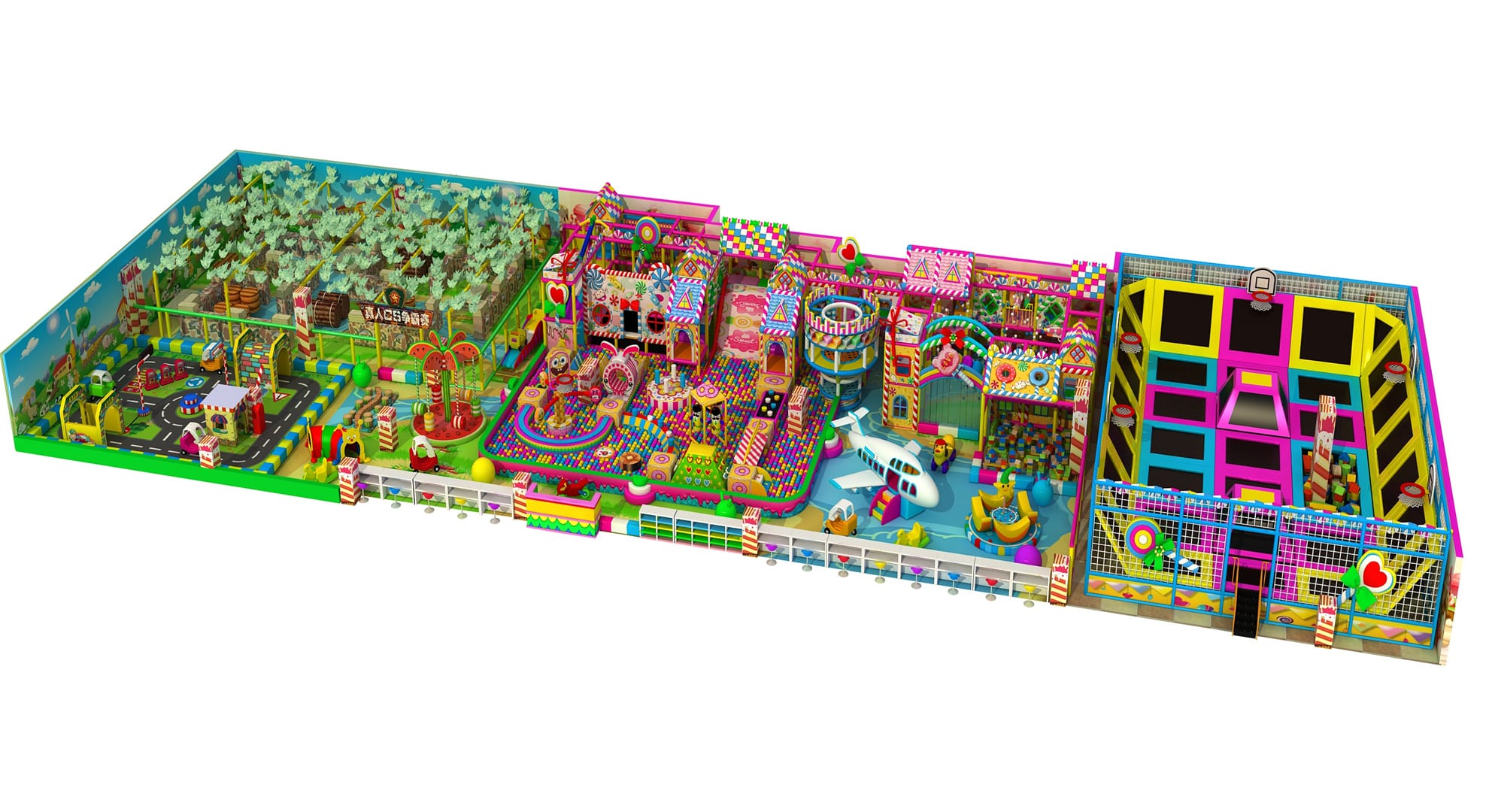
Through equipment maintenance, employee training, and rule enforcement, most of the safety hazards can be eliminated before the accident occurs. A professional indoor playground design can eliminate many operational risks before the venue opens.
A regular safety audit can help the operations team find management loopholes.
Through systematic inspection and evaluation, the security system can be continuously optimized, and the operation quality can be improved.
Reasonable insurance planning and legal risk management can reduce the financial impact of accidents.
For large Family Entertainment Centers, a perfect insurance system has become a standard configuration.
Safety management is not a one-time task, but a process of continuous improvement.
By analyzing accident data, customer feedback, and operational performance, the venue can continuously optimize safety measures and improve the overall management level.
In order to pursue short-term income, some venues will allow too many tourists to enter the activity area at the same time.
Although this practice can increase the revenue of the day, it often significantly increases the risk of accidents and affects the customer experience.
The lack of staff or inadequate training is an important reason for many accidents.
Even if the equipment meets the standards, there are still safety risks without effective supervision.
Neglecting the maintenance plan will lead to the gradual accumulation of equipment problems.
Many serious accidents actually stem from long-term, unresolved minor problems.
There is almost no difference between the rules that exist, but no one enforces them.
The operator shall ensure that all safety regulations can be continuously implemented and enforced.
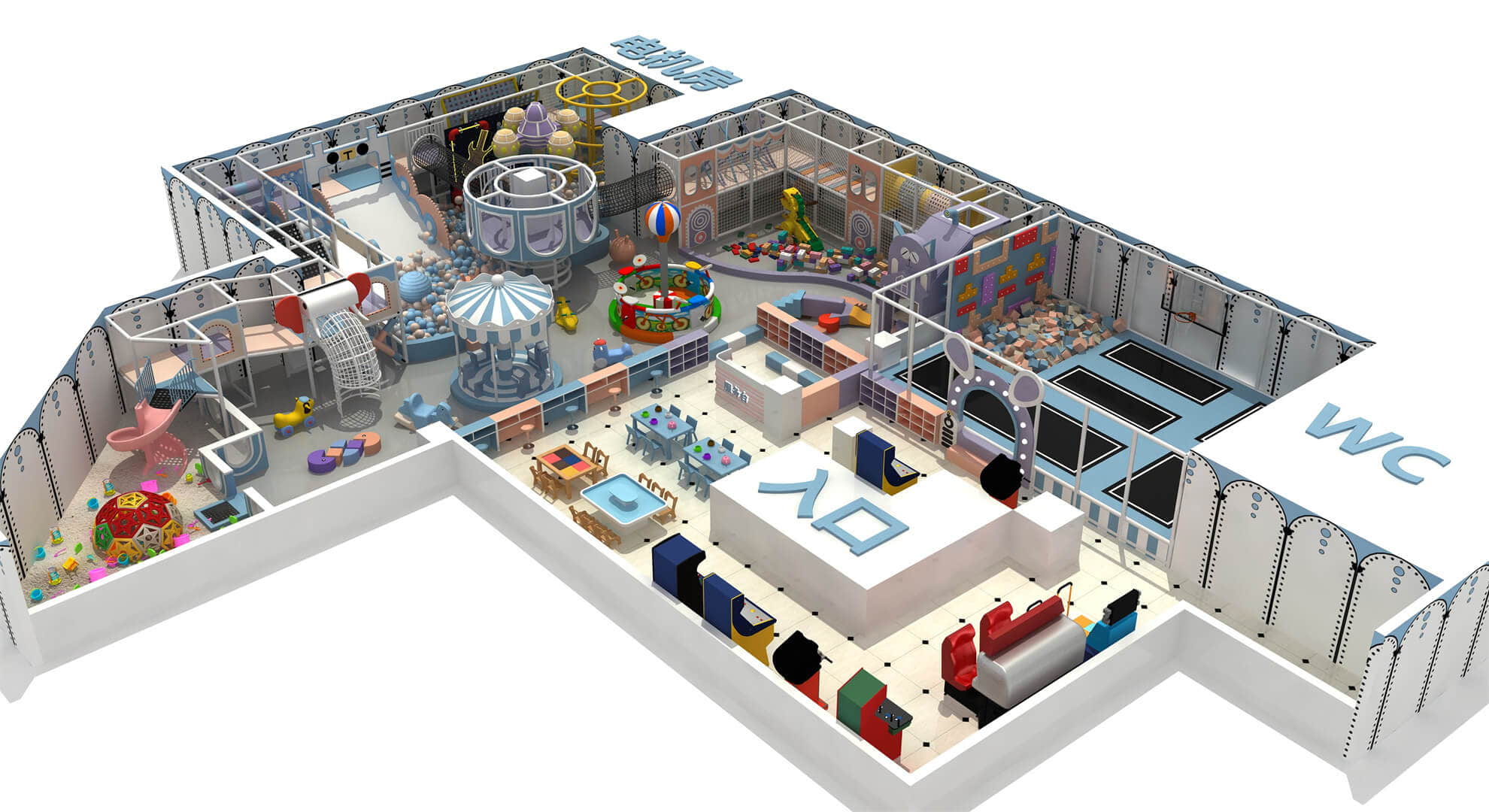
An unreasonable venue layout will increase mutual interference between different activity areas.
Excellent Layout Design can significantly improve security and operational efficiency.
Many operators are worried that the cost of safety investment is too high, but preventive investment is usually more cost-effective than compensation and brand loss caused by accidents.
Venues with low accident rates can usually obtain more favorable insurance conditions, thus reducing long-term operating costs.
A good security record can help brands build trust and attract more home customers. For any family entertainment center business, reputation is one of the most valuable long-term assets.
Safety is often the first consideration for parents when choosing a trampoline park.
Continuous security performance can improve customer satisfaction and return visit rate.
In the long run, the security system can not only reduce risks but also improve operational efficiency and profitability, so it has a high return on investment.
Comprehensively assess the existing risks of the venue and establish a detailed risk list.
Optimize the layout of the venue, improve the activity zoning, and reduce the number of high-risk areas.
Establish a continuous training system to ensure that employees have the necessary safety management capabilities.
Update old equipment according to the inspection results and upgrade key safety facilities.
Continuously monitor the operational data and continuously optimize the security system according to the actual situation.
The most common injuries include ankle sprains, knee injuries, wrist fractures, and soft tissue injuries caused by collisions.
Through effective supervision, reasonable passenger flow control, equipment maintenance, and tourist education, the accident rate can be significantly reduced.
Trampoline Park is a relatively safe place for children to be active under the condition of compliance with safety rules and age zoning management.
Including the One Person Per Trampoline Rule, prohibiting dangerous flipping, following staff guidelines, and removing sharp jewelry, etc.
By establishing complete Trampoline Park Safety Guidelines, purchasing insurance, and continuing risk management, the risk of legal liability can be effectively reduced.
Successful Trampoline Park Injury Prevention depends on the combined work of equipment safety, staff training, rule enforcement, and continuous maintenance.
The security system can not only reduce accidents and compensation costs, but also improve customer satisfaction, brand credibility, and long-term profitability.
With the increasing competition in the industry, safety has become one of the important factors affecting the success of the venue. For operators who want to achieve long-term development, establishing a perfect FEC Safety Management system and continuously optimizing Indoor Trampoline Safety Rules will be an important foundation for improving competitiveness and achieving sustainable growth. Many investors choose a turnkey trampoline park solution to simplify planning, manufacturing, and installation while ensuring compliance with modern safety standards.
Thank you very much for your inquiry! Your trust is our greatest motivation. We are committed to offering playgrounds that combine high quality with affordable pricing. Let us bring vitality to your venue!