Our website uses cookies to improve your experience and record usage statistics. By using our site you consent to cookies as described in our Privacy Policy. We take your privacy and data security very seriously and all information collected will be kept strictly confidential.
Indoor playgrounds have become highly popular entertainment facilities in shopping malls, family entertainment centers, kindergartens, and community activity spaces.
As parents increasingly prioritize child safety and interactive experiences, more investors are turning their attention to indoor children’s play projects.
Indoor children’s play centers come in a wide variety of formats, ranging from soft play areas suitable for toddlers to large multi-level climbing structures and adventure facilities. Each type caters to different spaces and target users.
This guide will help you understand common types of indoor children’s play centers, key factors to consider when purchasing, and practical procurement tips to help you choose the solution best suited for your project.
Types of Indoor Children’s Playgrounds
Depending on the target audience and venue conditions, indoor children’s play centers can generally be categorized into the following types.
🌭Soft Play Indoor Children’s Playground
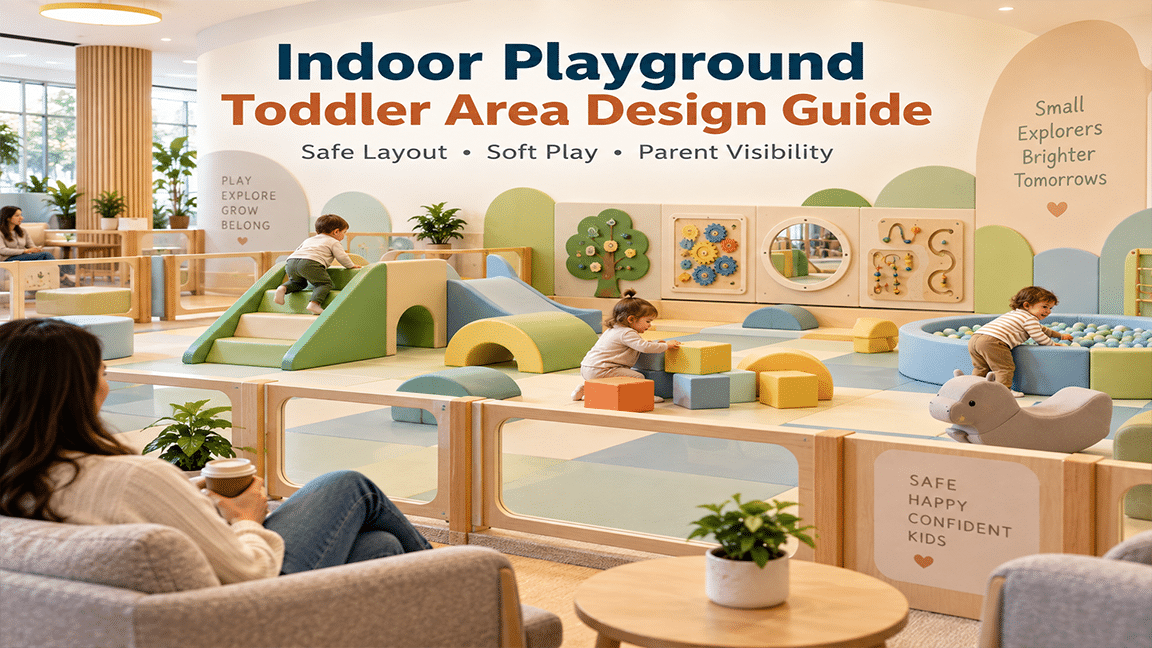
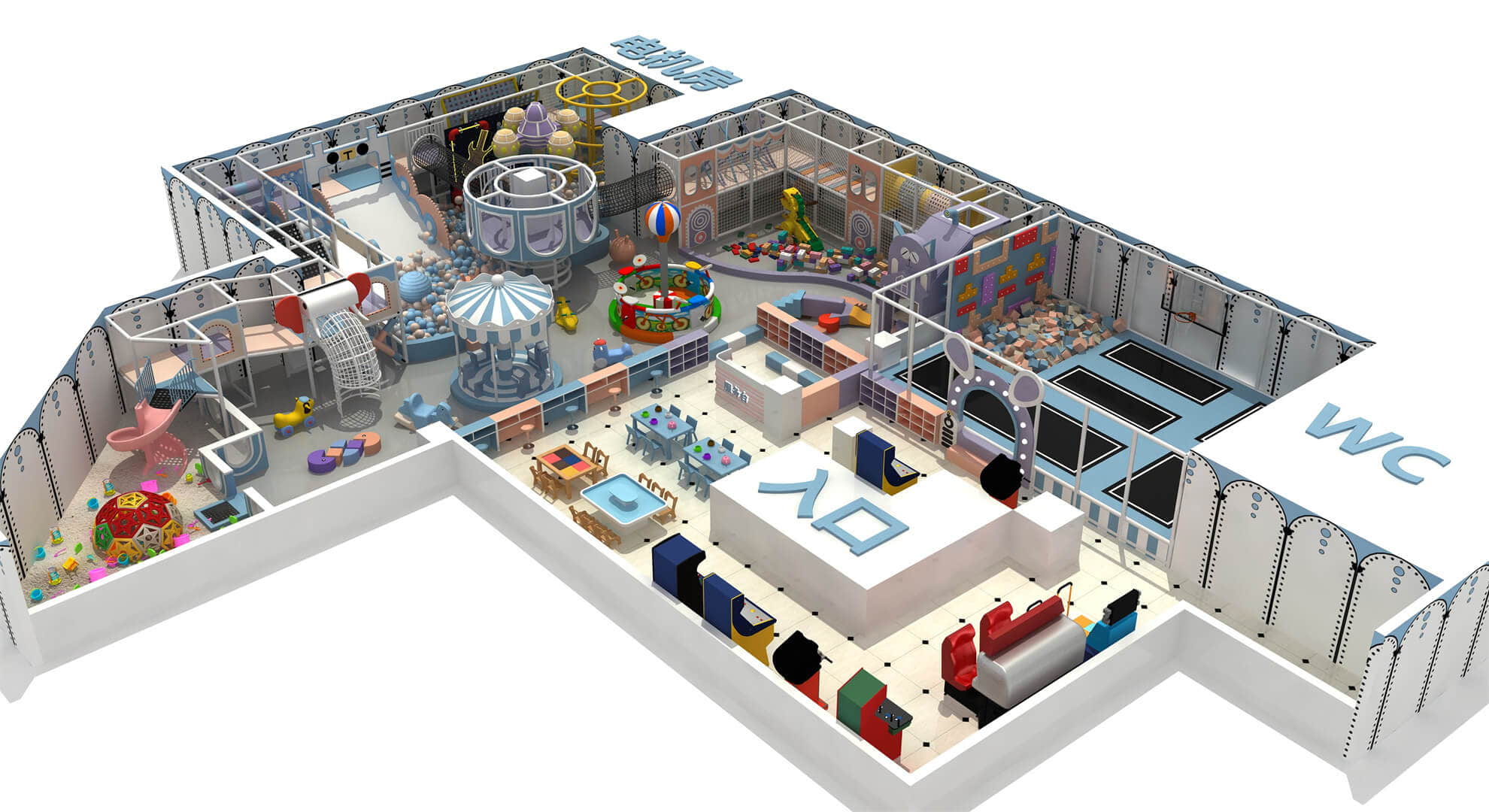
Soft Play is the most common type of indoor children’s play area. It utilizes padded materials, foam structures, and safety barriers to provide children with a secure and stimulating play environment.
The toddler play area is primarily designed for children aged 1–4. The equipment features lower heights and softer structures, with a focus on sensory development and the cultivation of basic motor skills.
Key Features:
Low-height play structures
Soft obstacle and climbing features
Interactive play panels
Applicable Scenarios:
Kindergarten
Early Learning Center
Children’s Club
🥨Adventure-themed Indoor Children’s Playground
Adventure play areas are typically designed for older children, incorporating more challenging and interactive elements.
Key Features:
Rope Challenge
Climbing Wall
Ninja Obstacle Course
Suspension Bridge and Adventure Path
Applicable Scenarios:
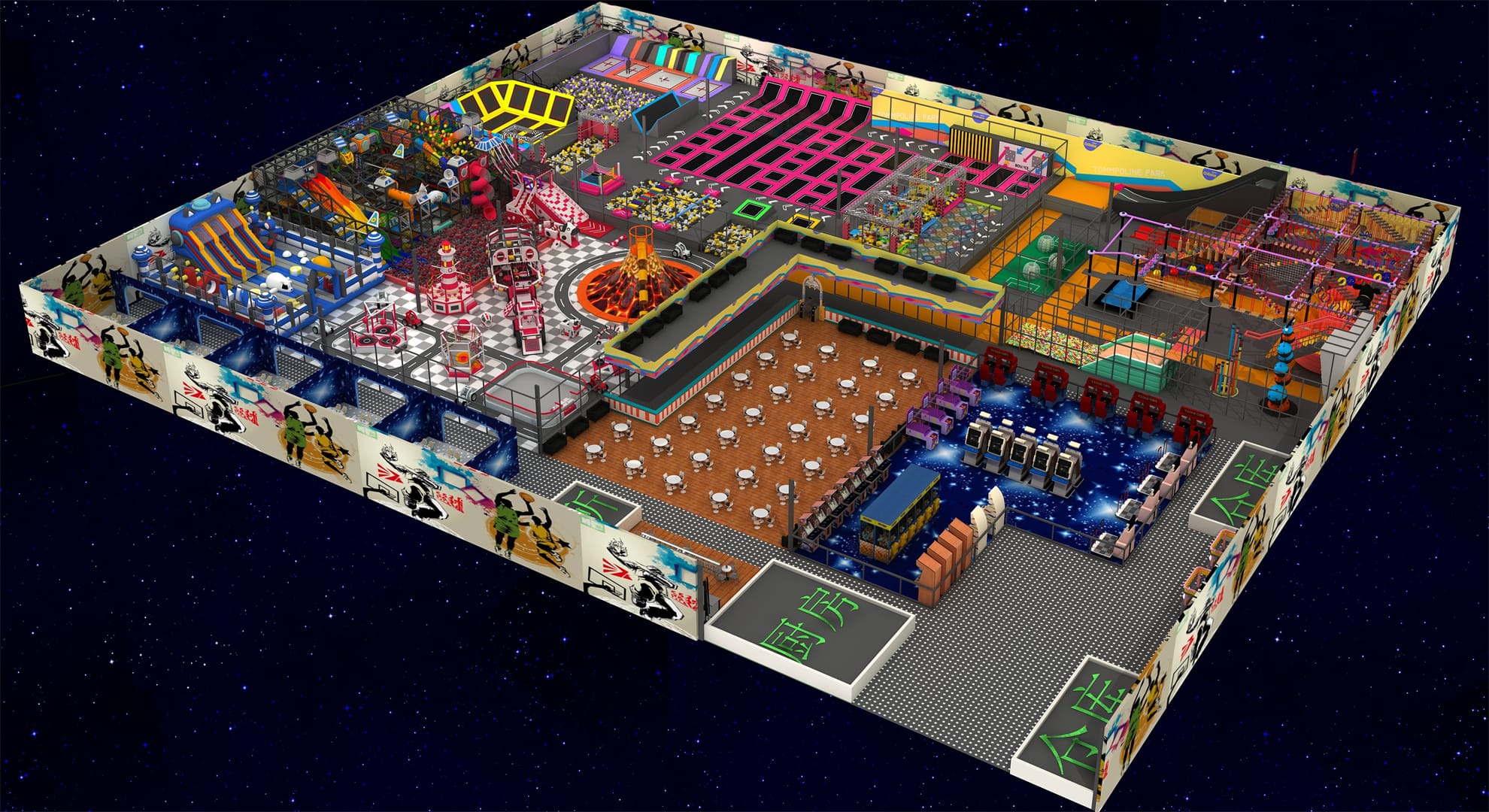
Large-scale Family Entertainment Center
Adventure Theme Park
Comprehensive Entertainment Space
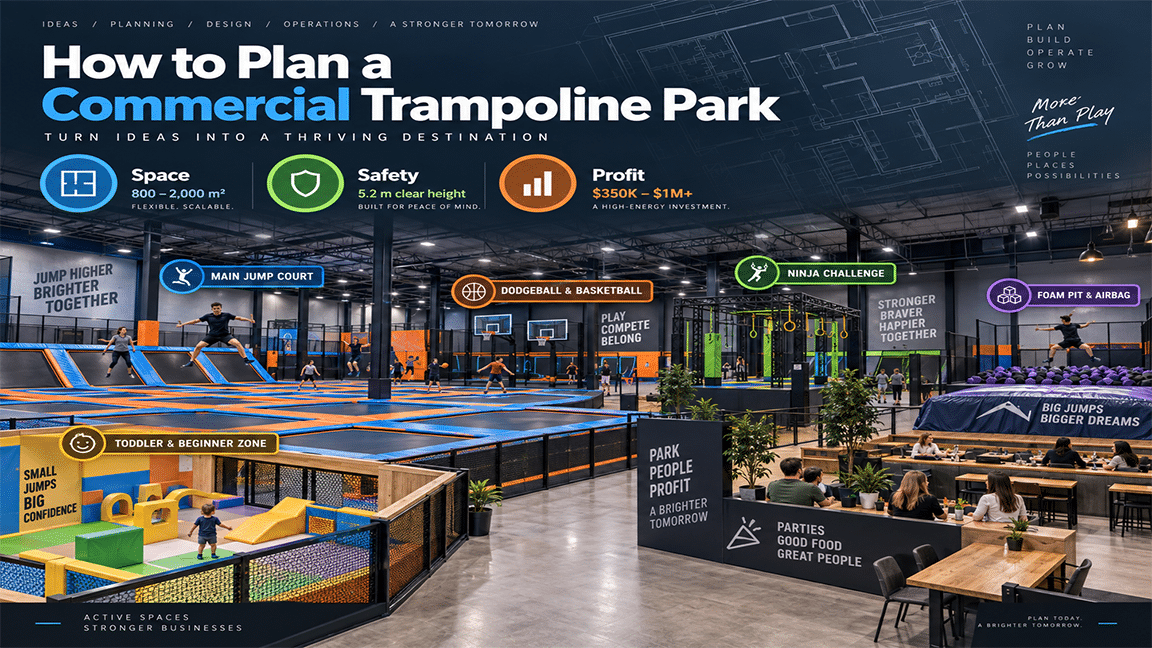
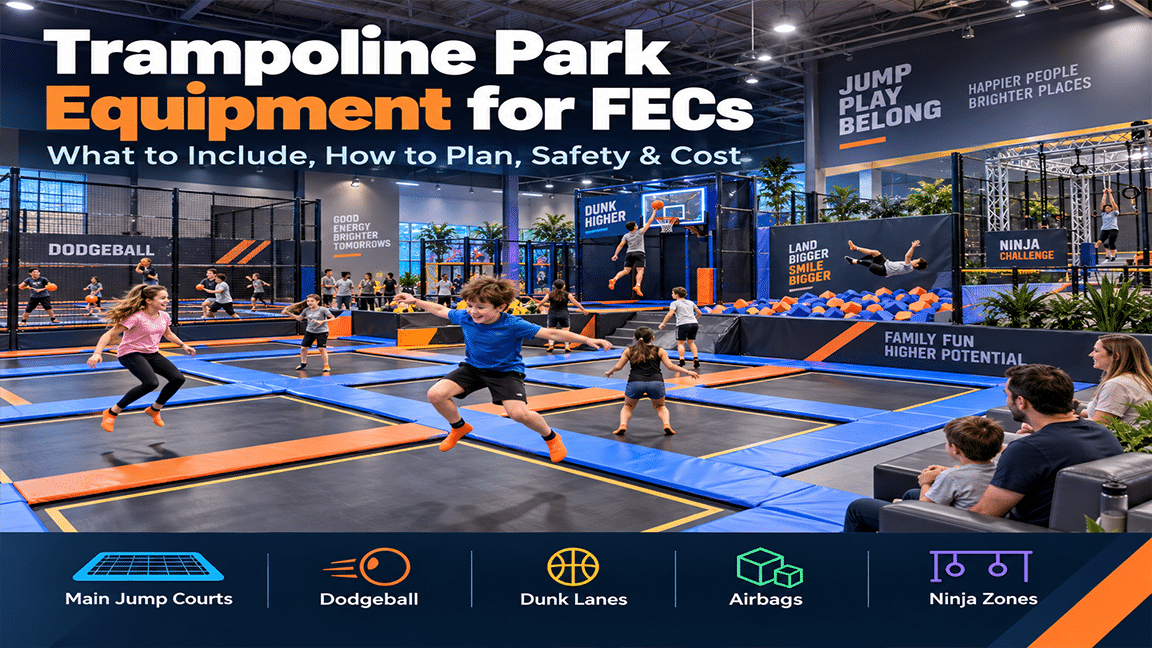
🥯Trampoline Play Area
Many indoor children’s play centers also incorporate trampoline areas, offering kids a more dynamic and thrilling play experience.
Key Features:
Trampoline Jumping Area
Foam Pit
Basketball Dunk Zone
Applicable Scenarios:
Youth Recreation Center
Family Entertainment Center
Sports and Recreation Space
Key Factors to Consider When Purchasing an Indoor Children’s Playground
🧀Venue Space
The size of the venue is a key factor in determining the scale and design of an indoor children’s play area.
Considerations:
Site Area
Ceiling Height
Spatial Layout
Professional playground equipment suppliers typically offer customized designs based on site dimensions.
🥙Safety Standards
Safety is one of the most critical factors when selecting indoor children’s playground equipment.
Key considerations include:
International safety standard certifications
Soft padding for impact protection
Sturdy steel structural framework
Fire-resistant materials
🥟Target age group
Children of different age groups have varying needs for playground equipment.
For example:
Toddlers: Soft play structures, sensory interaction
Children aged 4–10: Slides, climbing features, obstacle challenges
Teenagers: Adventure courses and trampolines
🍢Theme and Design:
Unique theme designs can make indoor children’s play areas more appealing and memorable.
Common themes include:
Jungle theme
Ocean theme
Space theme
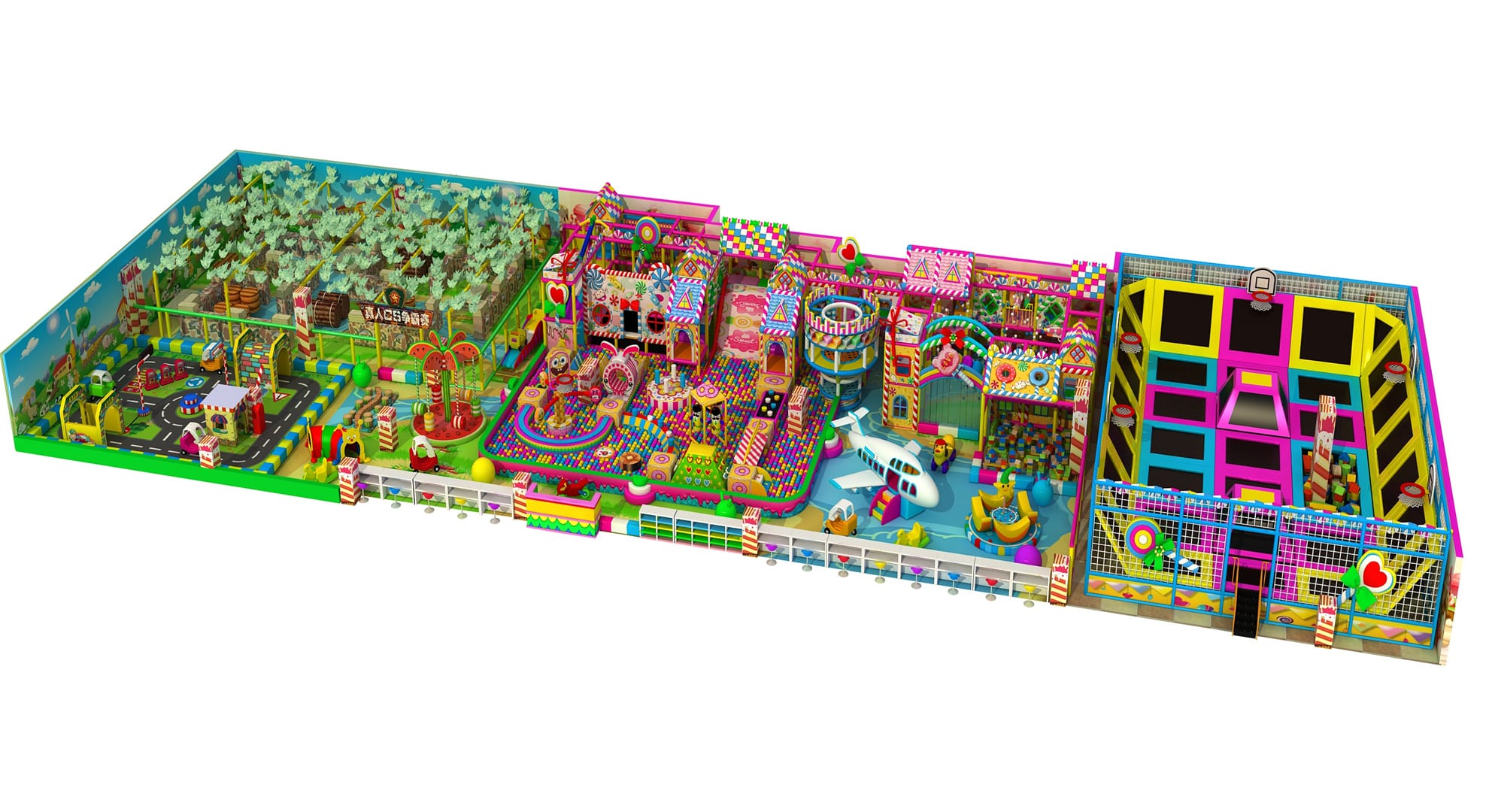
Candy theme
Castle theme
Custom themes can help create distinctive play spaces.
🍤Budget and Long-Term Value:
The cost of an indoor children’s play center typically depends on its size, the number of equipment items, and the level of customization.
Beyond equipment prices, additional factors to consider include:
Installation fees
Maintenance costs
Material durability
While high-quality equipment requires a higher initial investment, it generally delivers better long-term returns.
Supplier Experience:
Selecting an experienced indoor children’s playground manufacturer is crucial.
Reliable suppliers typically provide:
Site planning and design
Equipment production
Installation services
After-sales support
Recommendations for Purchasing Indoor Children’s Playgrounds
Before purchasing indoor children’s playground equipment, consider the following recommendations:
Plan the overall layout in advance
Select equipment based on target age groups
Prioritize safety and durability
Partner with professional manufacturers
Focus on post-installation maintenance and upgrades
Indoor Children’s Playground Procurement List
Before finalizing your purchase, use this checklist for confirmation:
✔ Identify your target user group
✔ Measure available site space
✔ Determine the type of playground
✔ Confirm safety standards
✔ Compare different suppliers
✔ Review design and installation plans
Summary
Selecting the right indoor children’s playground requires comprehensive consideration of factors such as space, target users, safety standards, and budget.
By understanding different types of indoor play equipment and collaborating with professional manufacturers, you can create a children’s play space that is both safe and filled with fun.
A well-designed indoor playground with rich experiences not only attracts more families and children but also delivers long-term, stable returns for operators.
NanPlay is dedicated to providing high-quality indoor playground design and equipment solutions. If you’re planning a project, feel free to contact NanPlay anytime for expert advice and customized solutions.
Thank you very much for your inquiry! Your trust is our greatest motivation. We are committed to offering playgrounds that combine high quality with affordable pricing. Let us bring vitality to your venue!