15 September 2026
14 September 2026

14 September 2026
14 September 2026
1 September 2026
If you are considering opening a family entertainment centre (FEC), you may have heard the word “one-stop”. One-stop indoor playground manufacturers refer to those suppliers who can cover the whole project from beginning to end, from 3D design and engineering planning to equipment production, transportation, and installation, to after-sales support, which they are all responsible for. Unlike those resellers who only deliver goods and are not responsible for other aspects, the real one-stop partner will be fully responsible for the whole project. You only need to connect with one person from beginning to end.
Simply put, you don’t have to coordinate the designer, factory, transportation company, and installation team by yourself. The one-stop supplier can do it all for you. You just need to wait for the opening of business.
In 2025, the global FEC market will be about 32.62 billion US dollars, and it is expected to rise to 47.93 billion US dollars by 2031, with an annual growth rate of about 6.75%. More and more investors have found that coordination with several suppliers can easily cause delays, over budget, and quality instability. The problem is that a one-stop solution can avoid these troubles.
The project is completed faster, the cost is more controllable, and the responsibility is clearer. Take NanPlay as an example; they offer a turnkey plan that packages everything from design to installation, helping investors to rationalise the start-up process and make more money, especially for the first time doing FEC.
For owners, the one-stop solution can greatly reduce the probability of making mistakes.

The biggest change in 2026 is the integration of virtual and real, which combines physical entertainment and digital technology. Nowadays, children have been exposed to electronic devices since childhood, and what they want is not only the traditional way of playing slides and ball pools.
Things like projection slides, AR climbing walls, trampoline areas with digital scoreboards, and motion tracking floors have connected video games and physical activities, which are particularly attractive to children aged eight to twelve. Interactive digital systems are slowly becoming the standard configuration of modern FEC, because they can make parents willing to share wonderful moments on social media, which is free publicity for your business.
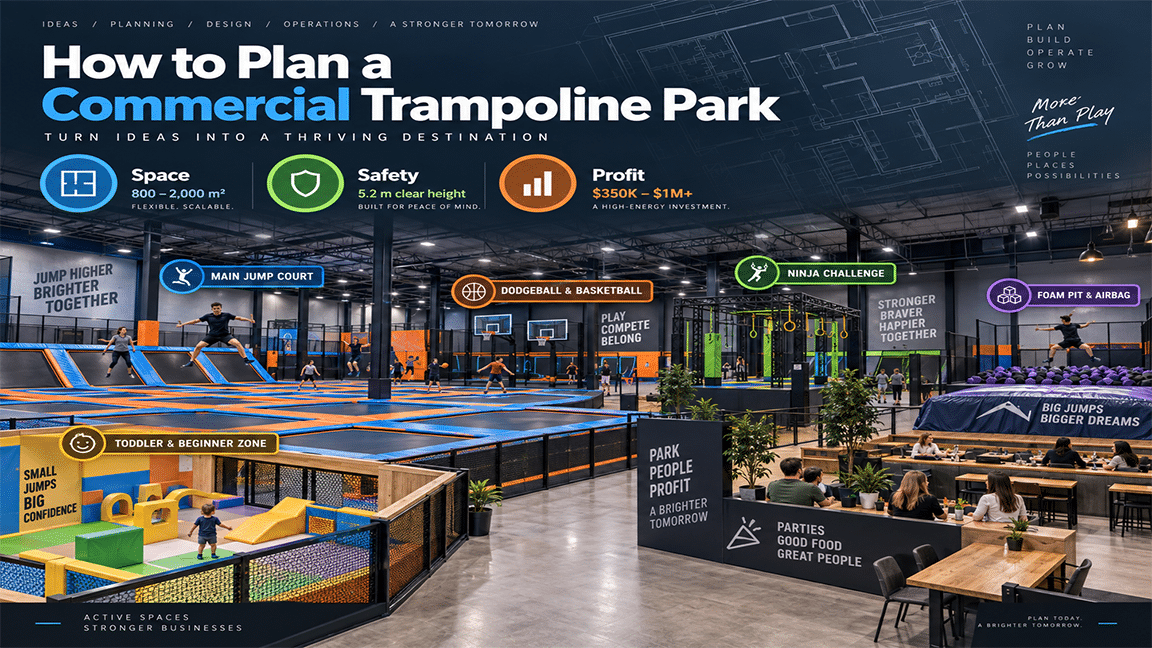
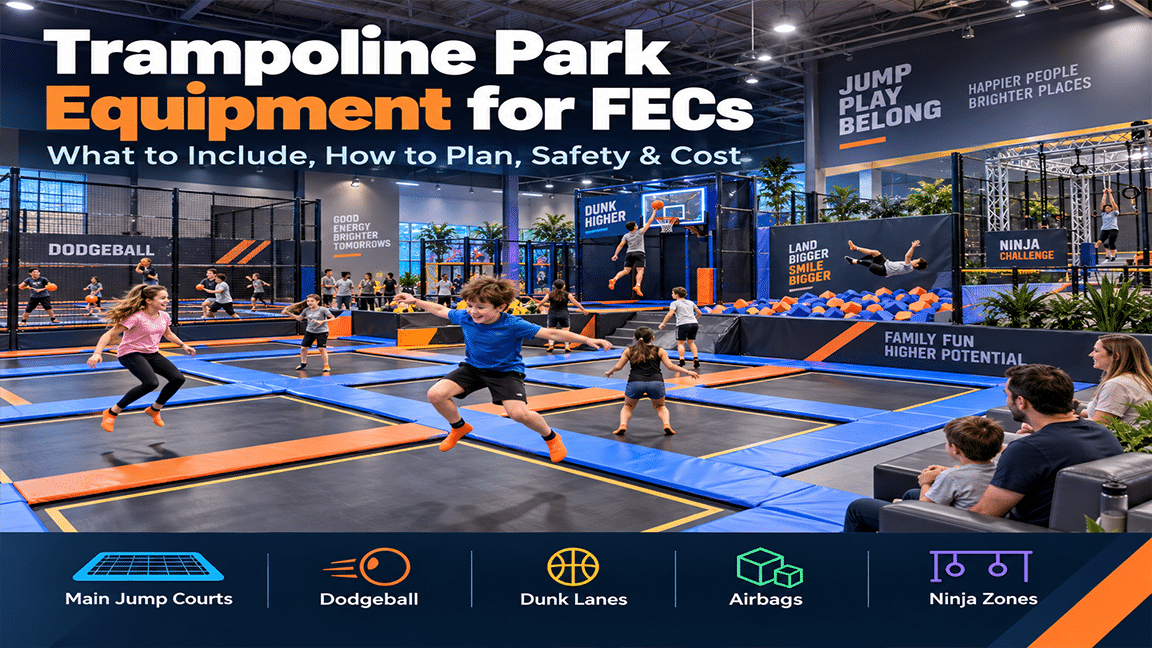
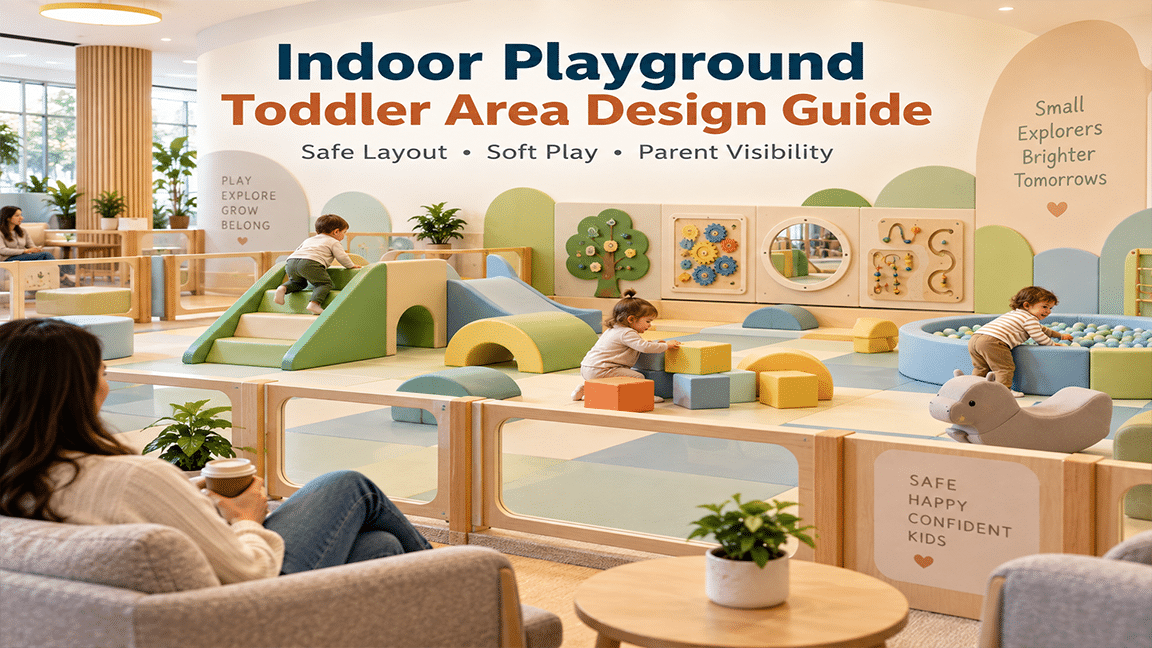
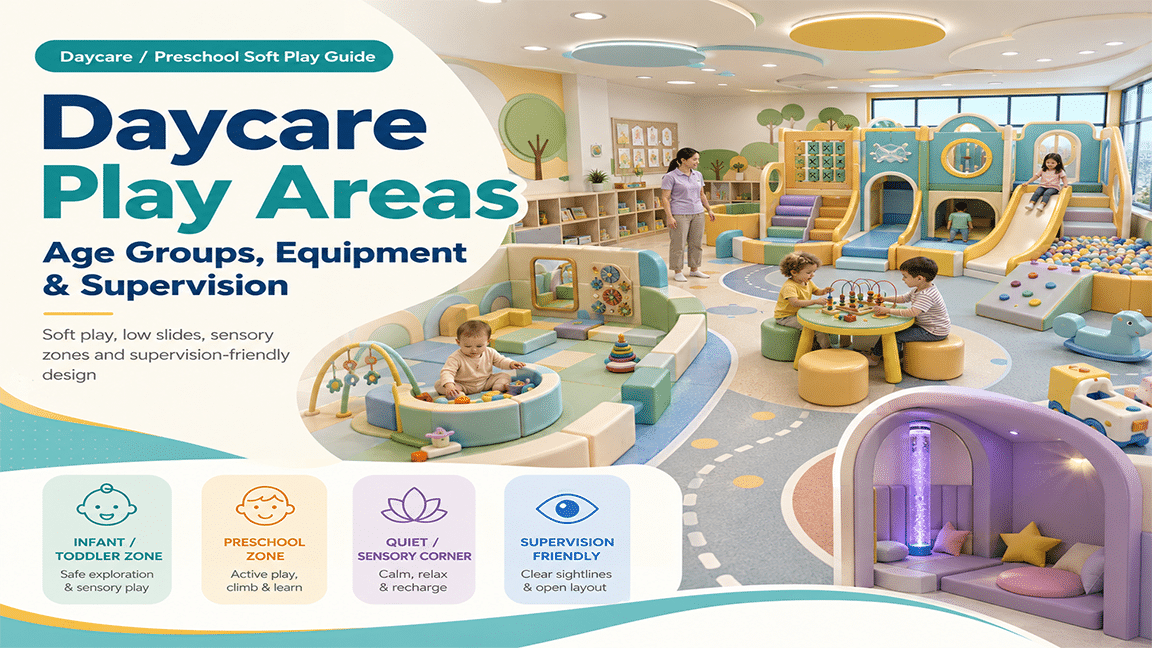
Families with zero-to eight-year-old children account for nearly 3030 of the FEC market, which means that your playground should take good care of several age groups. A well-designed FEC should have areas dedicated to young children (soft bags, sensory areas), areas for school-age children (climbing, obstacle tracks), and areas for older children. The prepared area (ninja course, interactive digital game), age zoning is not only for safety, but also can lengthen the stay time. When parents know that every child has something suitable to play with, they will stay longer and spend more.
The messy neon plastic and the same jungle theme are no longer good. The biggest change in design in 2026 is pro-biological entertainment, that is, to bring the feeling of the outdoors into the room. With natural wood grain, mossy green, and organic shape, pro-biological design can make people relax, and families are more willing to stay.
Immersive themes are also on the rise. The well-made FEC no longer uses that ordinary pattern, but a storytelling environment, such as the space station, the magic forest, the underwater world, or the cyberpunk city. These thematic scenes can create a unique brand experience, make your venue different from others, and also encourage customers to make a second visit.
The current FEC not only relies on selling tickets. Good operators will distribute their income to birthday parties, group activities, membership, catering, arcade games, and corporate team building. Modular equipment design allows operators to adjust the space layout according to different activities, and the same area can make money.

According to this ratio, a 500-square-metre venue can comfortably accommodate 80 to 120 people at a time, and the annual income is about 400,000 to 600,000 US dollars.
Your equipment choices should align with your business objectives:
Good equipment costs more money in the early stage, but in the long run, it saves money. High-quality materials can reduce long-term maintenance costs by about 40% and save 20% when purchasing. It may cost 200% more in maintenance costs within three years because of replacing protective nets, repairing broken foam, and repairing faults. Commercial materials are used. High-density foam, antibacterial heavy-duty PVC, and galvanised steel frames are designed to carry high-strength passenger flow for many years. Cheap materials are easy to tear, must be repaired frequently, and are also prone to safety hazards.

The equipment in the North American market should meet the ASTM F1918 standard, which specialises in the safety and performance requirements of soft-pack amusement equipment. EN1176 is necessary in the European market, covering the design, construction, and maintenance requirements of amusement equipment. Both standards involve structural load-bearing, shock absorption, and card clamp. In terms of risk and fire prevention, when looking for suppliers, they must provide the actual certification documents and the test report of an independent laboratory. You can’t just talk about it.
A real one-stop manufacturer not only delivers goods. They will follow from the first CAD drawing to the opening. They are also responsible for safety and compliance. There is also support after opening. Compared with resellers, direct manufacturers have more advantages in customisation, price, and quality control. For example, NanPlay follows ISO 9001 and ISO 14001 standards for production, quality management, and environmental protection. Manufacturing is guaranteed, with 20,000 square metres of production space, and projects of any scale can be accepted.

The price difference of indoor playground equipment is not small, mainly based on the size of the venue, the complexity of the equipment, and the degree of customisation. The following table is a general reference for 2026.
| Project Size | Area | Estimated Equipment Cost |
| Small center | Under 200 sqm | $50,000 – $100,000 |
| Mid-sized FEC | 200–1,000 sqm | $150,000 – $300,000 |
| Large destination park | 1,000+ sqm | $300,000 – $800,000+ |
On average, commercial equipment is about 150 to 300 US dollars per square metre, but the equipment is only a part of the total investment, and the transportation cost is also included. A container is about 3,000 to 10,000 US dollars, and the installation cost is more than 5,000 to 25,000 US dollars. In addition, there are safety cushions, import tariffs, and licenses. And the marketing budget before opening
A turnkey indoor playground project typically follows this timeline:
Total project time: approximately 3 to 6 months. Turnkey suppliers are usually faster because they coordinate everything internally.

It’s just a manufacturer that packages the design, production, transportation, installation, and after-sales service, and you only need to connect with one person from beginning to end.
Depending on the size of the venue, it can be more than 50,000 to 800,000 US dollars, with an average of about 150 to 300 US dollars per square metre. Transportation, installation, floor mats, and certification need to be added by 30% to 50%.
Generally, within twelve to twenty-four months, the annual profit margin is between 20% and 35%, and some of them can exceed 50% if they operate well.
It takes about three to six months in total, including design, production, transportation, and installation.
Verify whether there is a safety certification (ASTM F1918, EN1176). I need some customer cases to see. If possible, go to the factory. NanPlay has 20,000 square metres of production space and also has ISO 9001 and ISO 14001 certification.
ASTM F1918 is required in the North American market, and EN1176 in the European market. Both standards are in charge of structural strength, shock absorption, card clip risk, and fire prevention.
In 2026, the core of choosing indoor playground equipment is safety, design trends, space planning, and long-term returns. The most worry-free practice is to find a one-stop manufacturer who can be responsible for the whole process from design to installation. NanPlay provides turnkey solutions from customised 3D design to production and installation, covering trampoline parks, adventure parks, soft package amusement, and children’s areas.
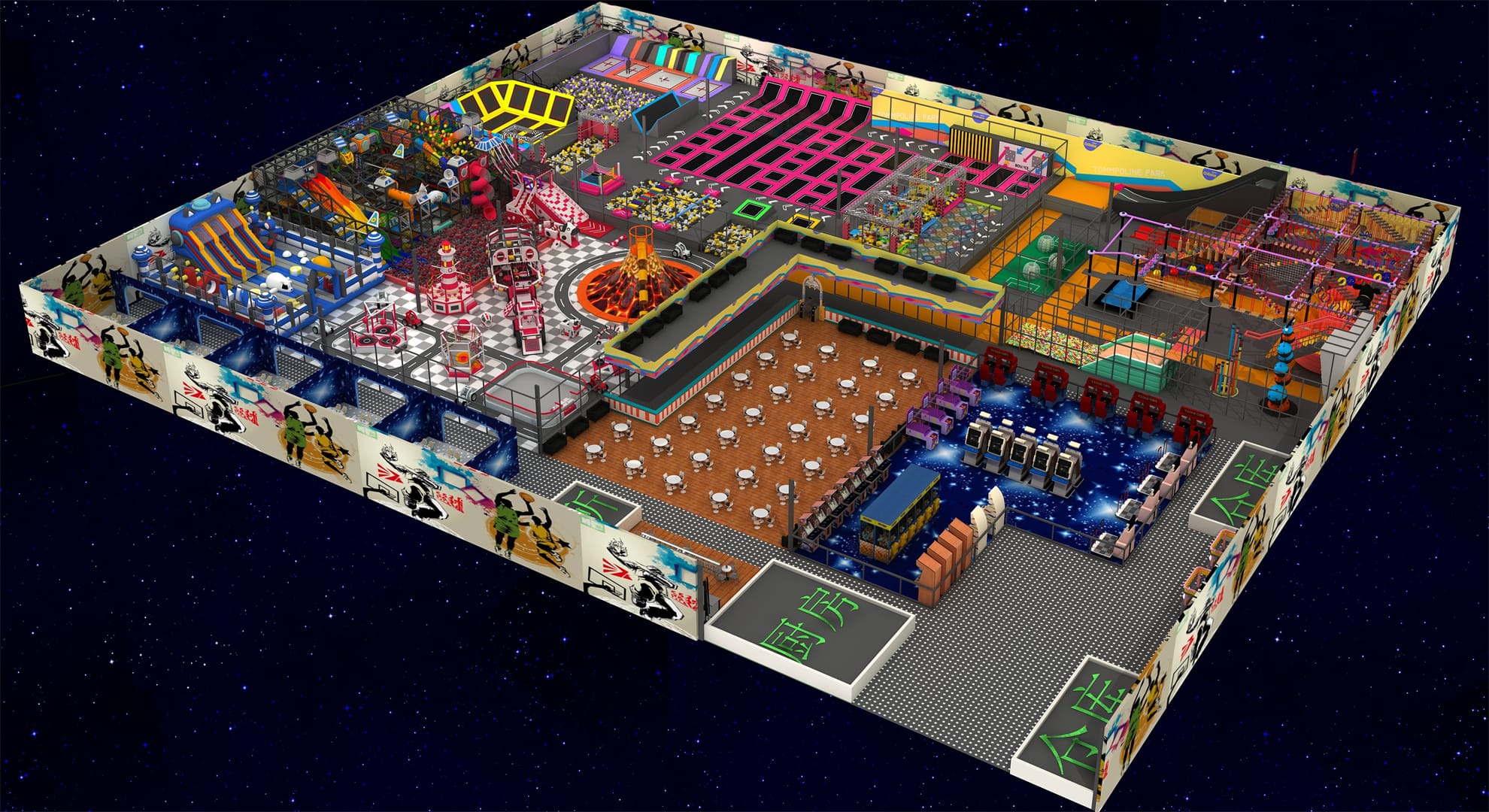
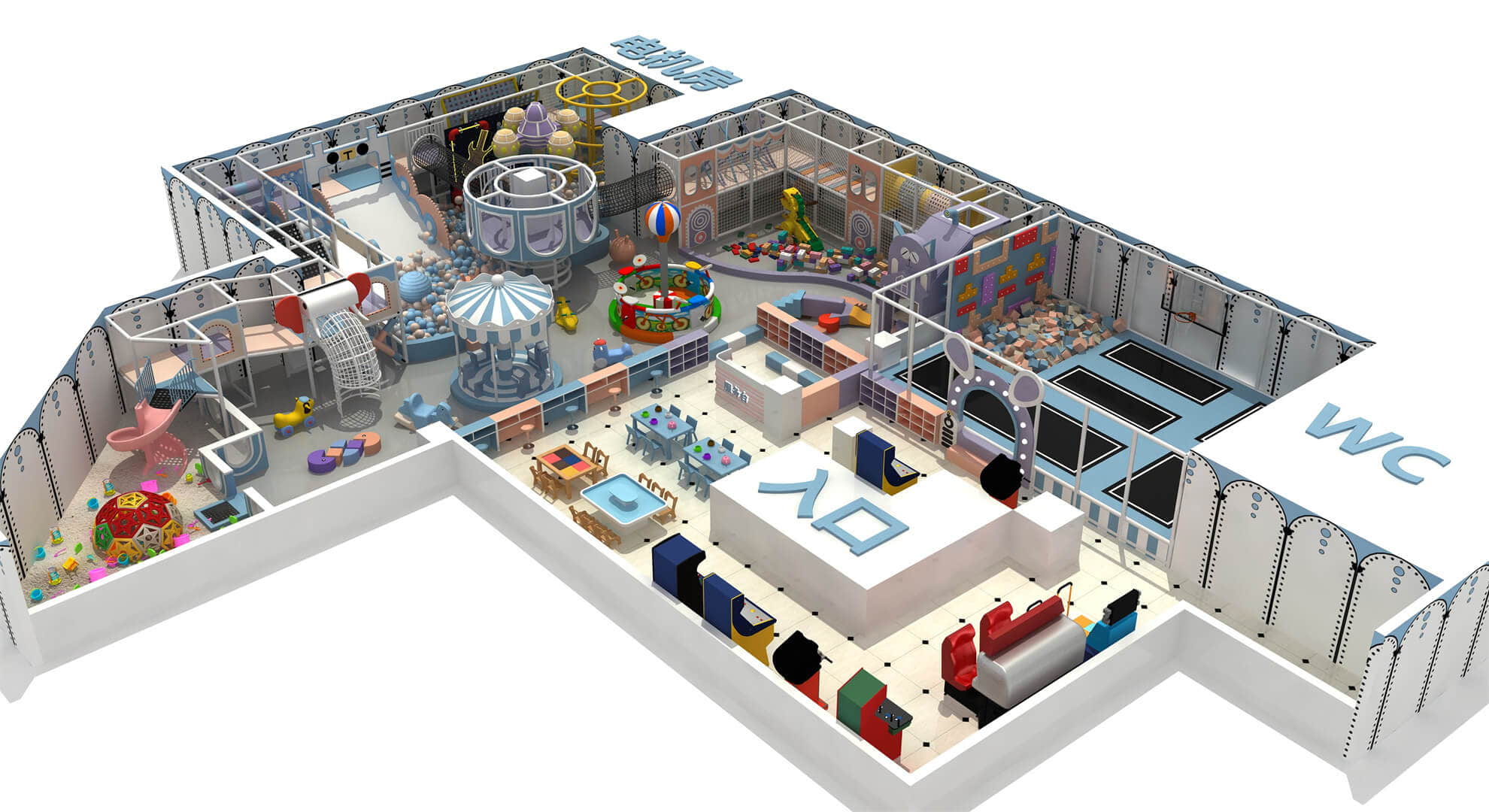
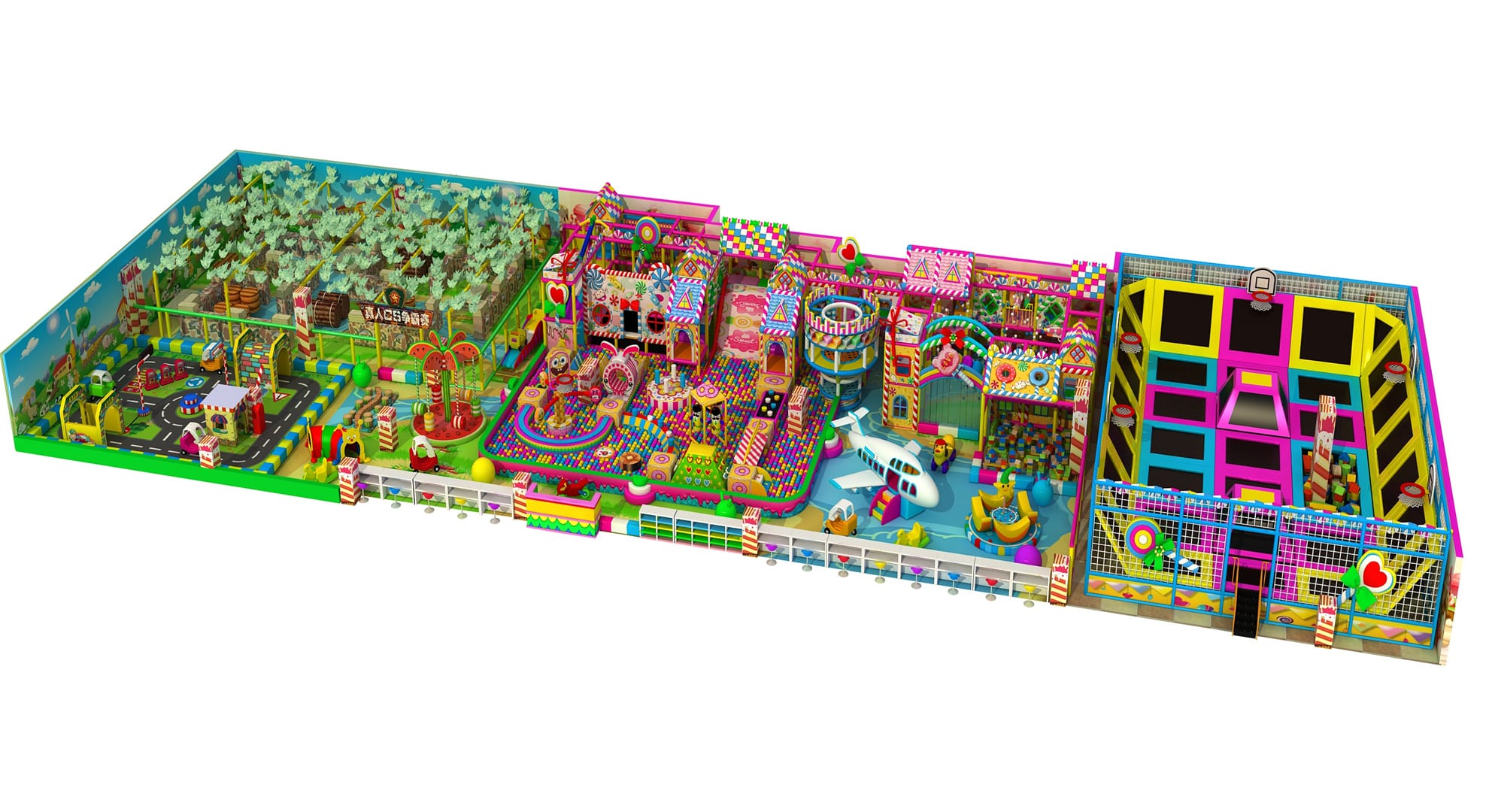
Before making a decision, take a look at what your space looks like in 3D. NanPlay provides free 2D layout planning and 3D renderings, so that you can see what the FEC looks like after it is built before you spend a penny, so that you can bypass many pitfalls and finally make a playground that families really like.
Are you ready to start the FEC project? Contact NanPlay for a free consultation today. Their professional team will help you design a safe, fun, and profitable space.
Thank you very much for your inquiry! Your trust is our greatest motivation. We are committed to offering playgrounds that combine high quality with affordable pricing. Let us bring vitality to your venue!