25 November 2026
25 November 2026
24 November 2026

20 November 2026

20 November 2026
NanPlay manufactures commercial playground equipment and offers custom project support for indoor play venues. Its product range includes indoor play structures, soft play, toddler areas, trampoline parks and adventure attractions, alongside outdoor playground options. For buyers, the key decision is which equipment matches the intended age groups, available space and operating model—and which design, shipping and installation services are included in the order. NanPlay is based in Wenzhou, Zhejiang, China. Its NanPlay commercial playground equipment provides product categories and an overview of its manufacturing and project services.
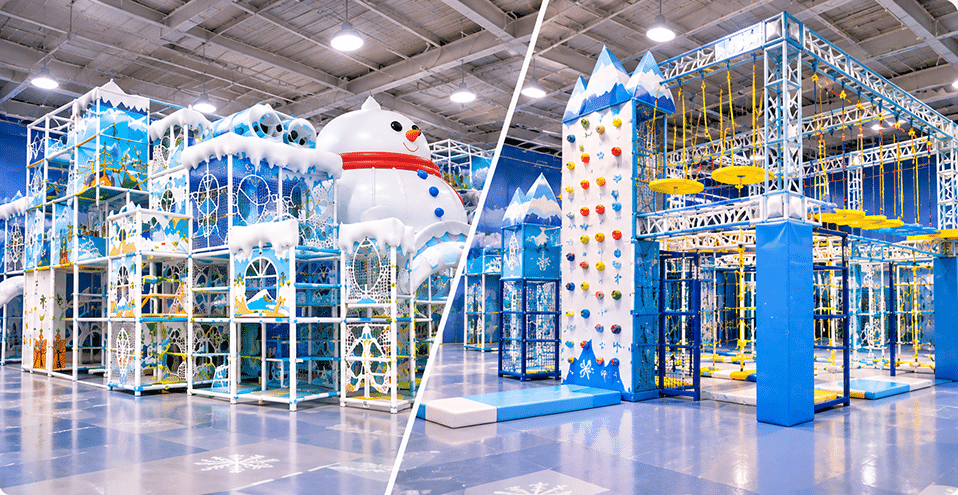
NanPlay’s range covers several different play experiences. A multi-level indoor structure connects activities through platforms, tunnels and slides. Soft play uses padded components for activities such as crawling, balancing and climbing. A toddler area brings lower-intensity activities into a distinct zone, while trampoline and adventure attractions introduce different movement patterns and operating requirements.
Use the following purchasing guide to connect the website’s product categories with the decisions needed for your venue. Confirm age ratings and engineering specifications for the selected configuration.
| Equipment category | Possible role in a venue | Confirm before selection |
|---|---|---|
| Indoor play structures | Connected climbing, crawling and sliding routes | Clear height, layout, access and age range |
| Soft play and toddler equipment | Lower-intensity and early-years activities | Separation, visibility and cleaning access |
| Trampoline park equipment | Dedicated jumping and active-play zones | Operating procedures and surrounding space |
| Ninja, rope and climbing attractions | Progressive physical challenges | Difficulty, supervision and technical requirements |
| Outdoor playground equipment | Outdoor play provision | Site conditions, foundations and material suitability |
Review the selected model and configuration rather than assuming every item within a category has the same dimensions, materials or maintenance needs.
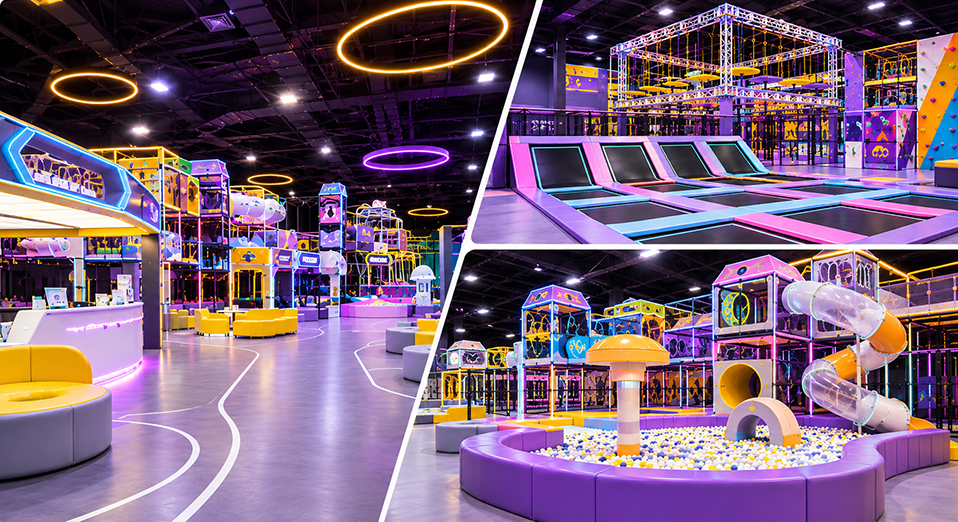
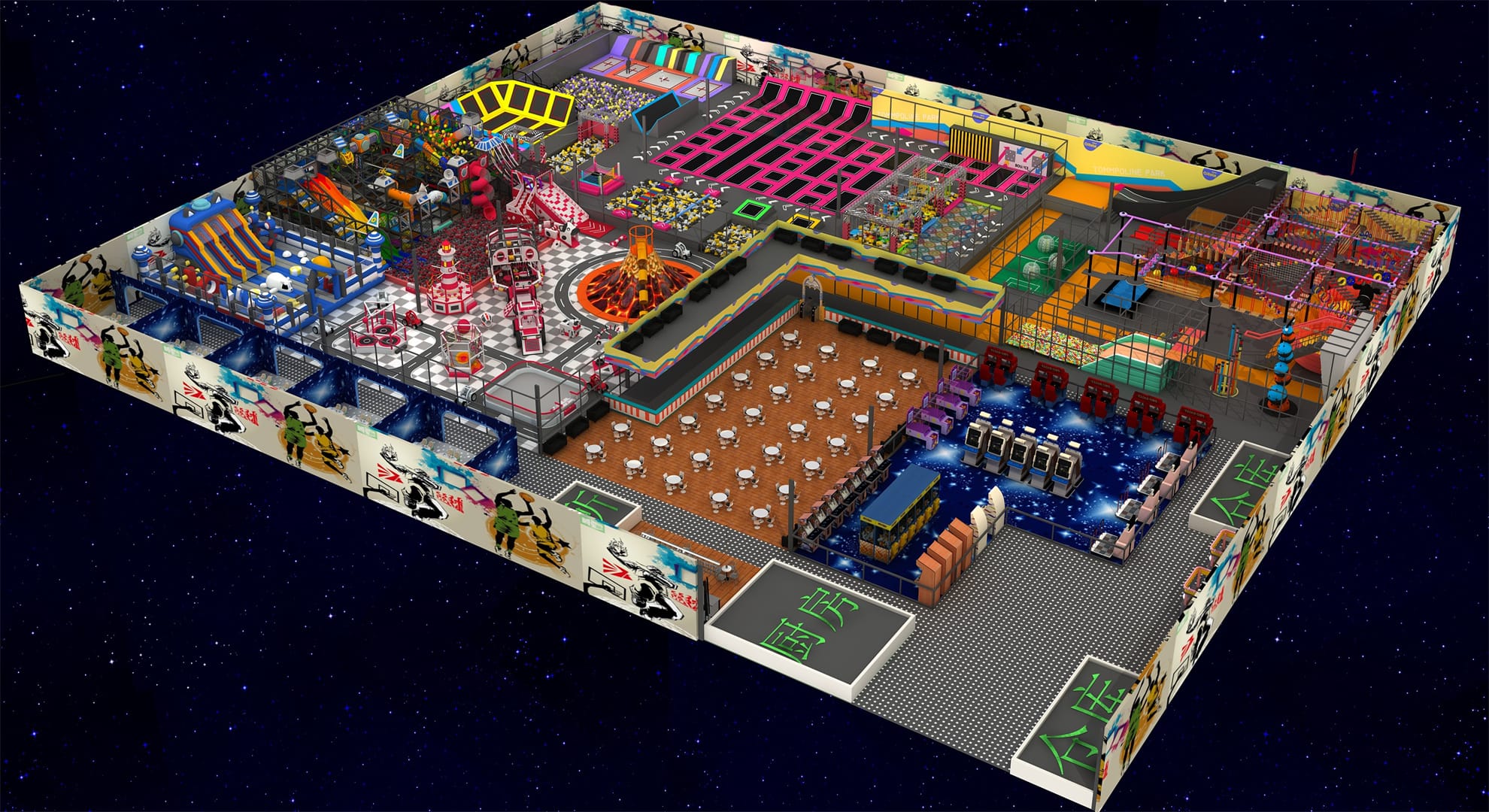
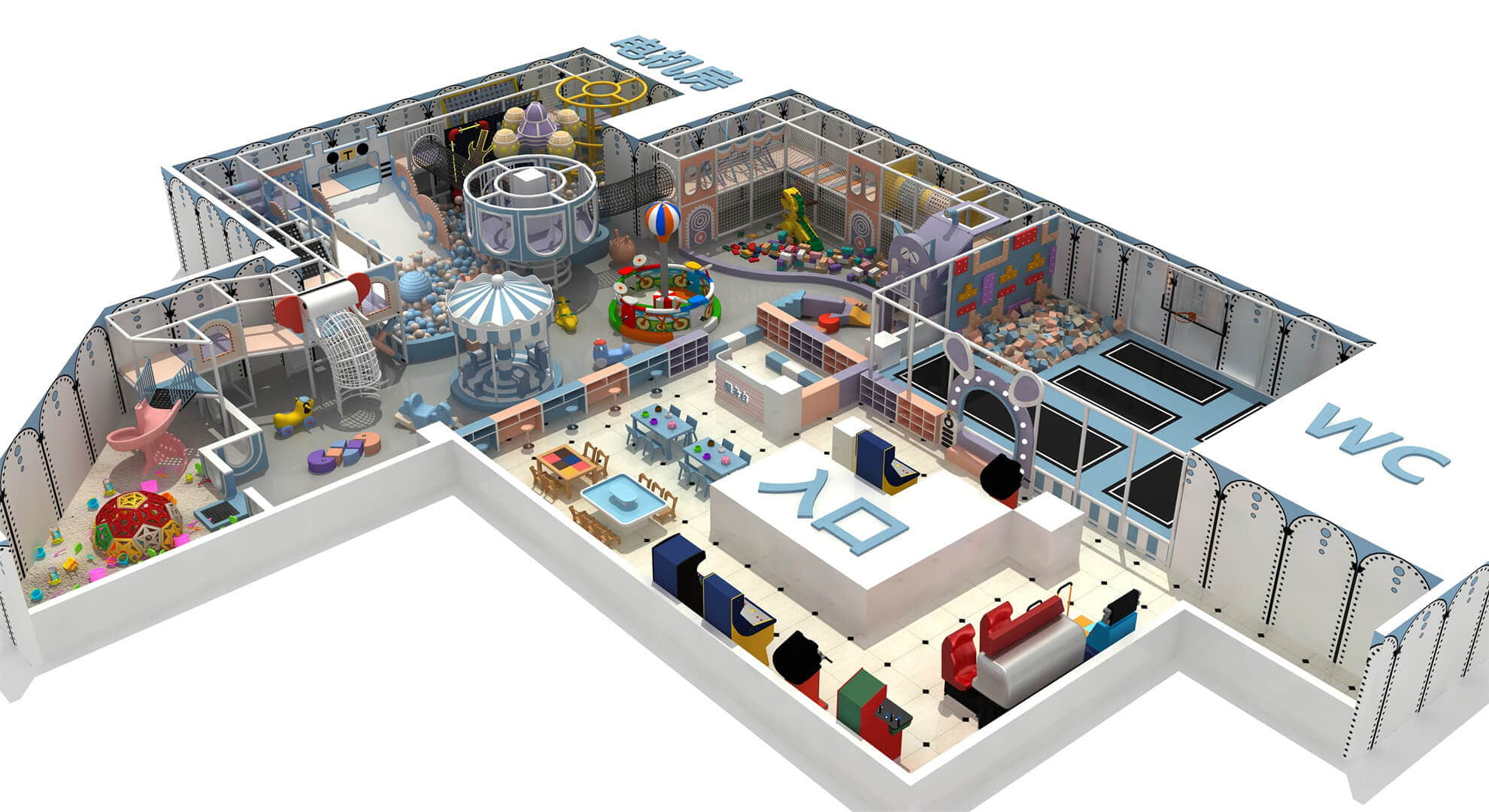
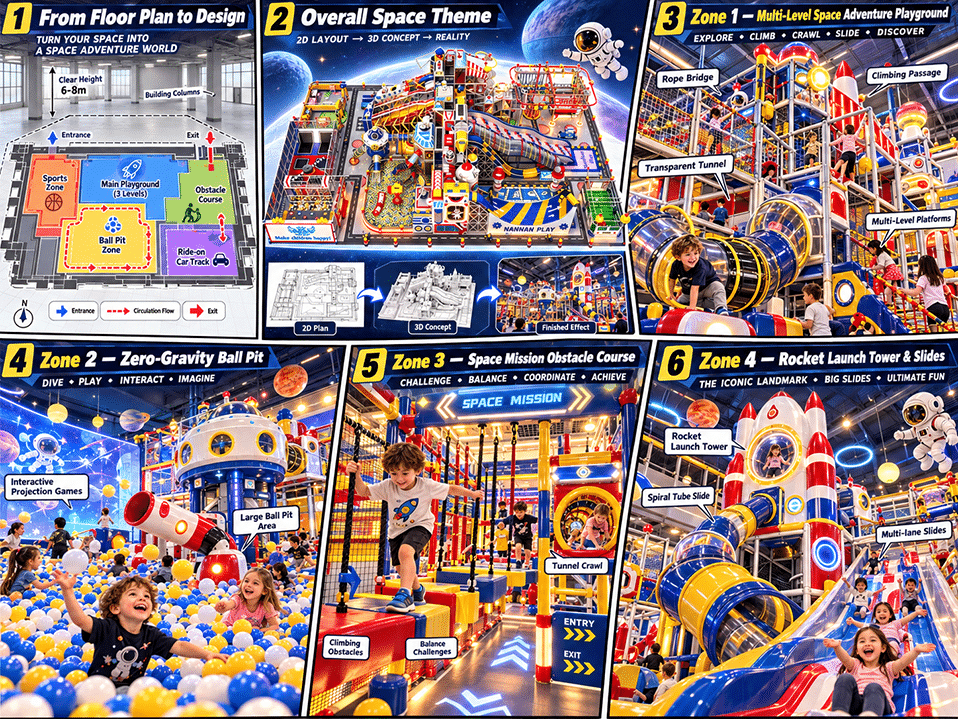
Start with the visitor experience. A café serving families with young children may prioritize a clearly visible soft-play area. A larger family entertainment center may need several activity zones, separate entry controls and room for birthday groups. These are different project briefs even when both buyers request an “indoor playground.”
Usable play space is also different from leased floor area. Reception, circulation, seating, storage and other support functions occupy part of the building. Equipment should be evaluated against the remaining space and the actual ceiling obstructions, not a floor-area figure alone.
For a mixed-age venue, ask how younger children enter their zone without passing through a faster-moving activity. A smaller attraction mix with workable circulation can be more useful than a visually crowded layout.
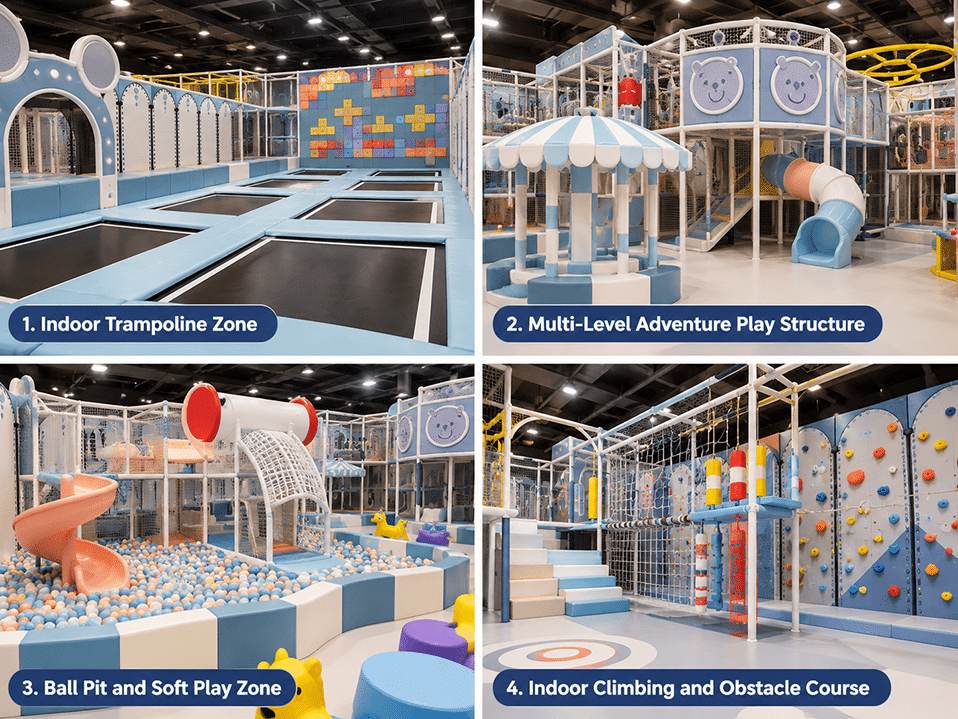
Customization can address the layout, activity combination, visual theme and selected components. NanPlay’s indoor playground range describes options including foam, vinyl, plastic components, slides, netting and ball pits. Availability should be confirmed for the specific design.
Separate visual changes from engineering changes. Changing a color scheme affects appearance; changing a platform height, slide route or support arrangement may affect the surrounding design and require technical review.
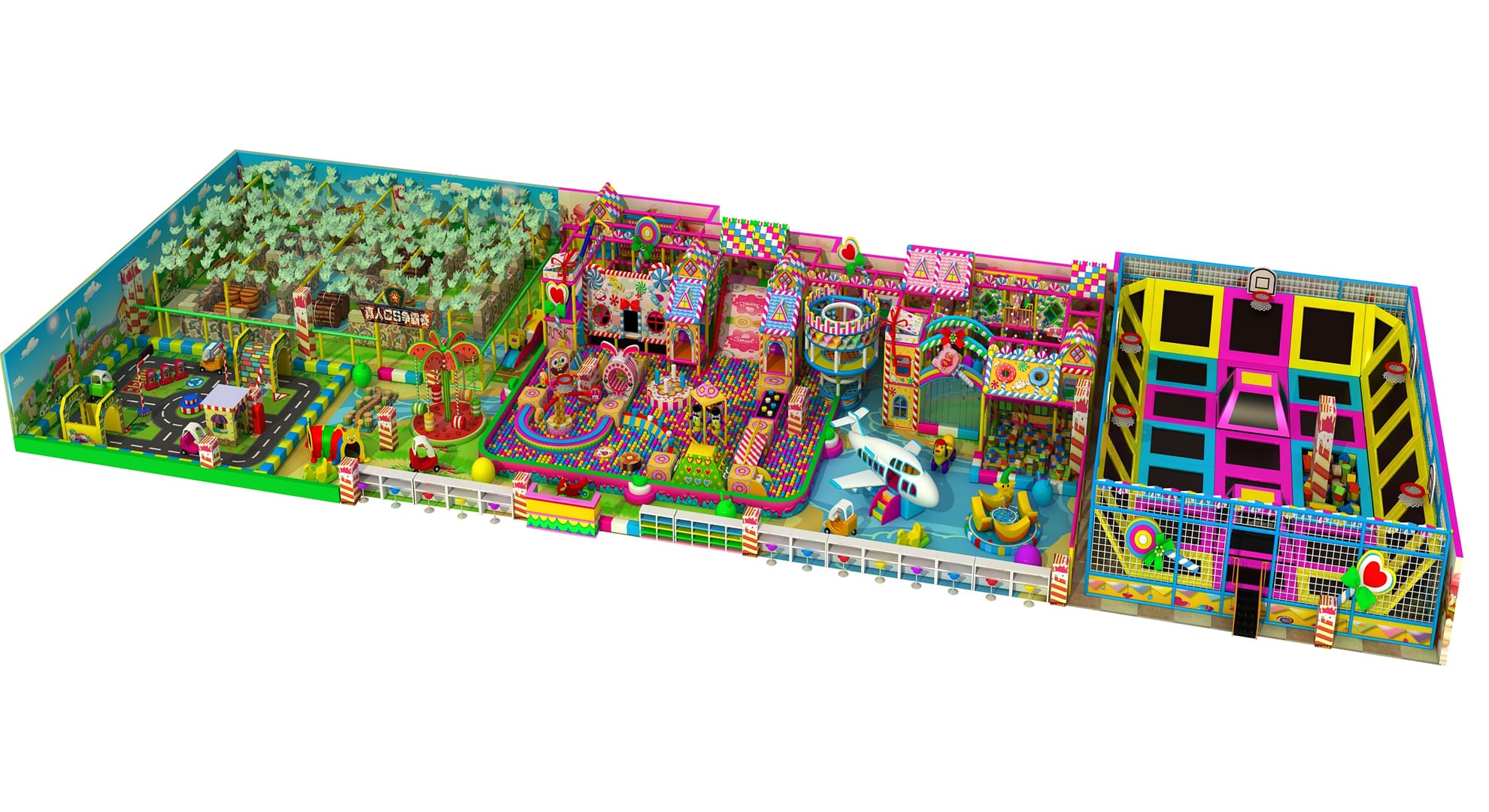
Use a written specification to connect the rendering with the order. If a themed feature appears in an image, identify whether it is supplied equipment, decorative work or an illustrative background element. This prevents a concept image from becoming an ambiguous purchasing document.
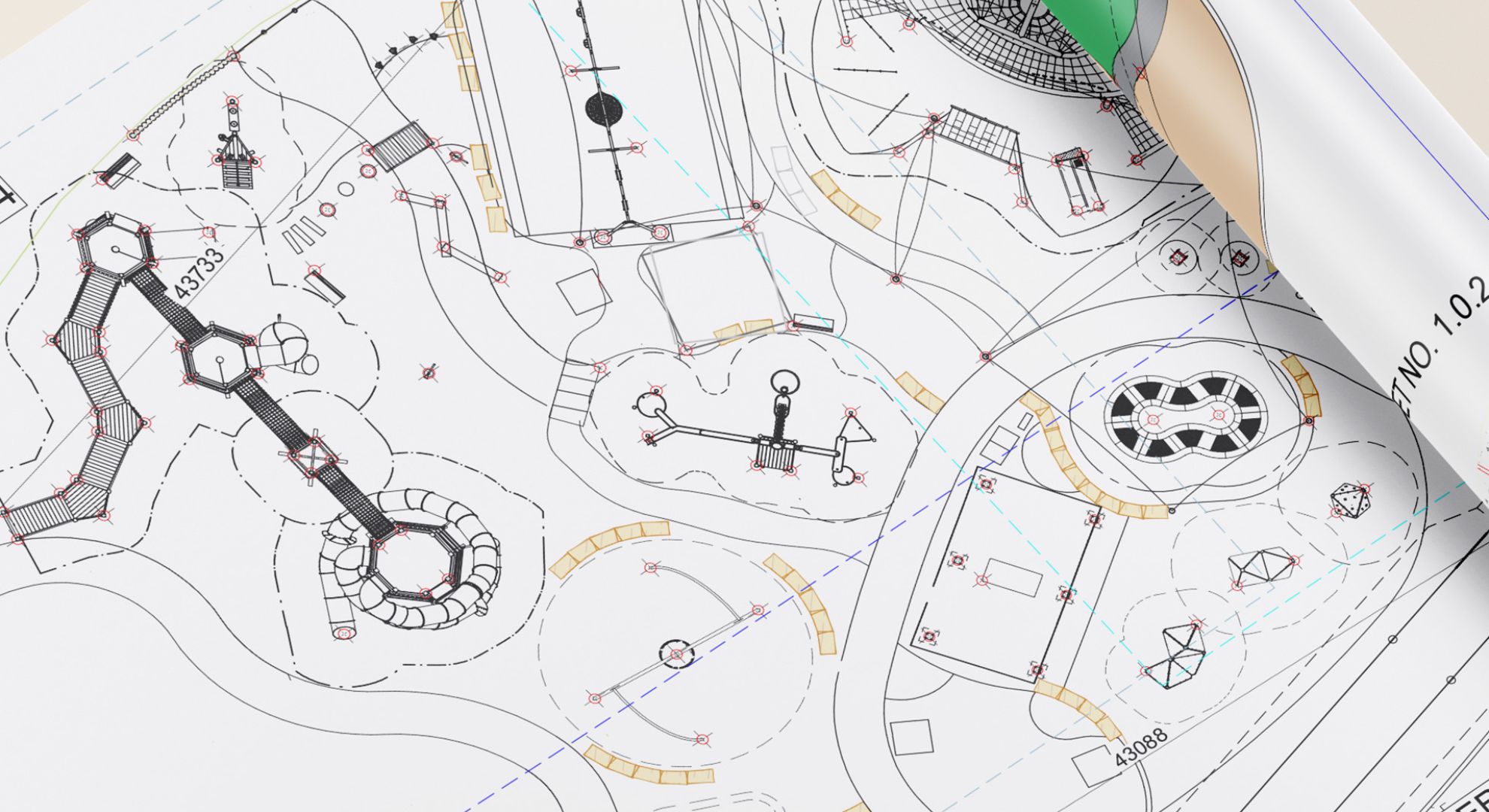
Equipment supply describes the physical items ordered. Project support describes services around those items, such as planning, drawings, shipping coordination or installation assistance. A proposal can combine them, but the scope needs to say how.
For example, distinguish delivery to a named destination from unloading and moving components into the building. Distinguish installation drawings from an on-site installation team. Ask who provides local labor, tools, access equipment and site preparation.
NanPlay’s installation page describes on-site service and installation support through documentation. Confirm the selected arrangement, associated costs and buyer responsibilities in the proposal. “Turnkey” alone is too broad to settle those details.
NanPlay’s Jungle Joy project description in Switzerland combines climbing, slides and soft play with café and birthday functions. It illustrates how an equipment mix can sit within a wider family venue.
Use that example to ask relevant questions: which attractions were supplied, how were supporting areas coordinated, and which drawings relate to the installed configuration? A project page can explain a concept and listed scope; it does not by itself establish your expected attendance, financial return or venue capacity.
Request a model-specific equipment list, dimensions, material descriptions and the drawings needed to understand the proposed arrangement. Ask for examples of component identification, inspection records and maintenance instructions relevant to the order.
For any test report or certificate offered, check the product covered, document issuer, date and applicable scope. A document for one component does not automatically establish the suitability of a complete installation. Building, fire, accessibility and operational requirements also need project-specific local coordination.
Ask how replacement parts will be identified after opening. A clear component reference and replacement process can be more useful to an operator than a general assurance about durability.
Send the country and city, venue type, measured floor plan, usable area, clear ceiling heights, columns and access points. Add the intended age groups, priority attractions, budget scope and target opening date. Explain whether you need equipment supply, design assistance, installation support or a combination. These inputs help NanPlay discuss a relevant equipment package.
No. Its website also lists outdoor playground products. Indoor and outdoor requirements differ, so describe the intended environment when making an inquiry.
Discuss a combined layout, but assess each attraction’s space, visitor suitability and operating requirements separately. Sharing a venue does not make the equipment interchangeable.
NanPlay describes in-house manufacturing. For a specific order, ask which components are manufactured internally and which are sourced or integrated, particularly specialist systems.
Only the agreed scope establishes that. Confirm the installation model, documentation, personnel and local responsibilities before ordering.
An initial discussion can compare categories and priorities. Site-specific selection still needs measured dimensions and building information before the design is finalized.
Begin a NanPlay inquiry with the venue constraints and visitor needs, then compare equipment against those requirements. Ask for a written package that connects the layout, physical products and project services. That provides a clearer basis for a purchasing decision than selecting an attractive image alone.
Send NanPlay your floor plan and equipment requirements to discuss a project-specific proposal.
Thank you very much for your inquiry! Your trust is our greatest motivation. We are committed to offering playgrounds that combine high quality with affordable pricing. Let us bring vitality to your venue!