30 October 2026
30 October 2026
30 October 2026
30 October 2026
3 November 2026
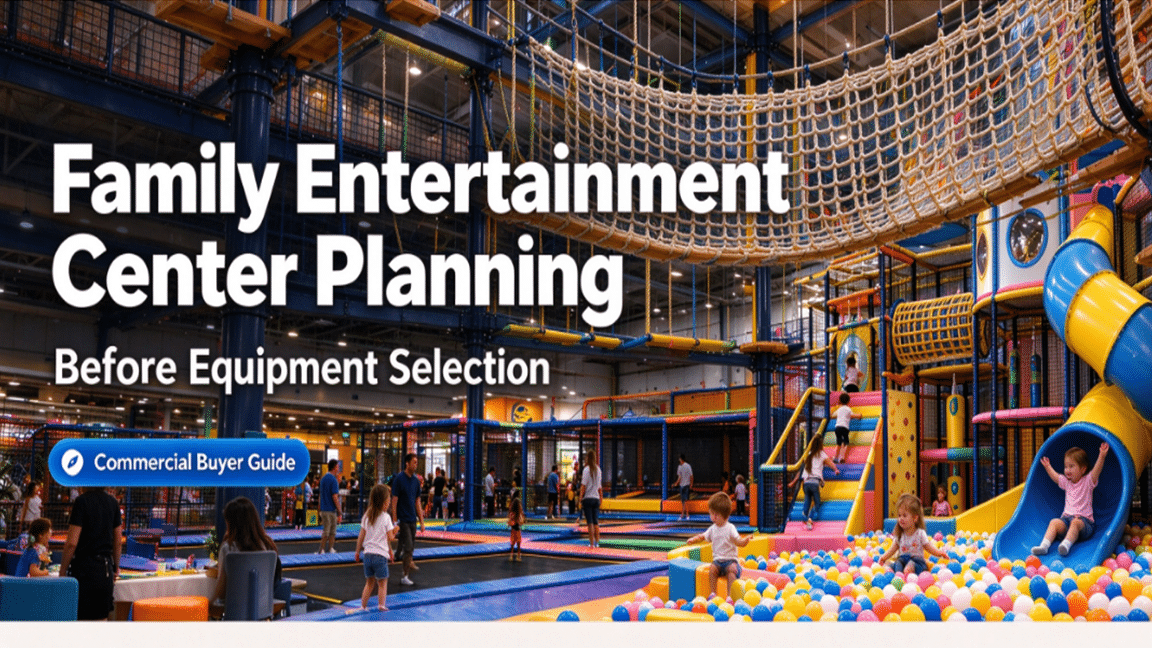
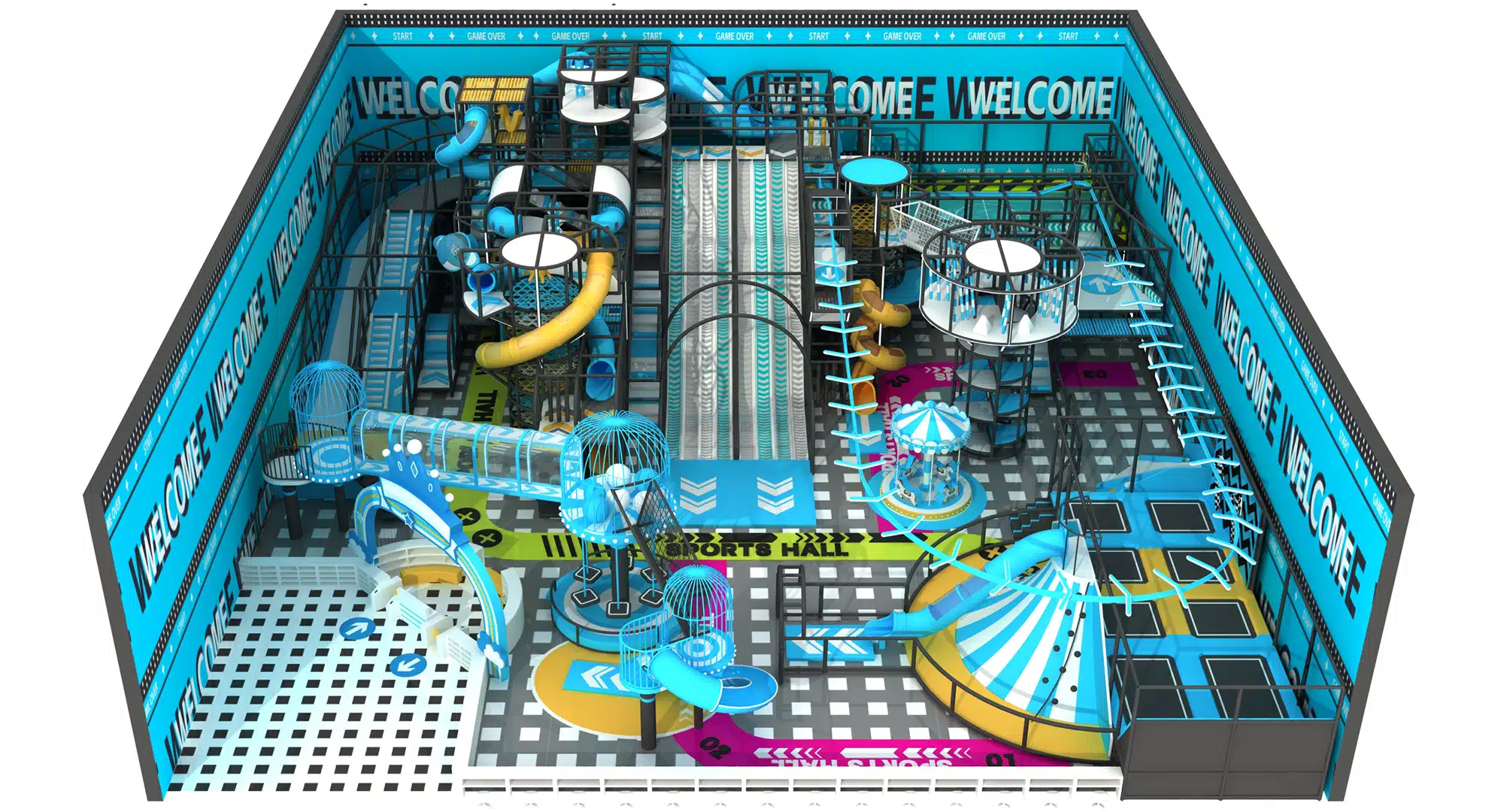
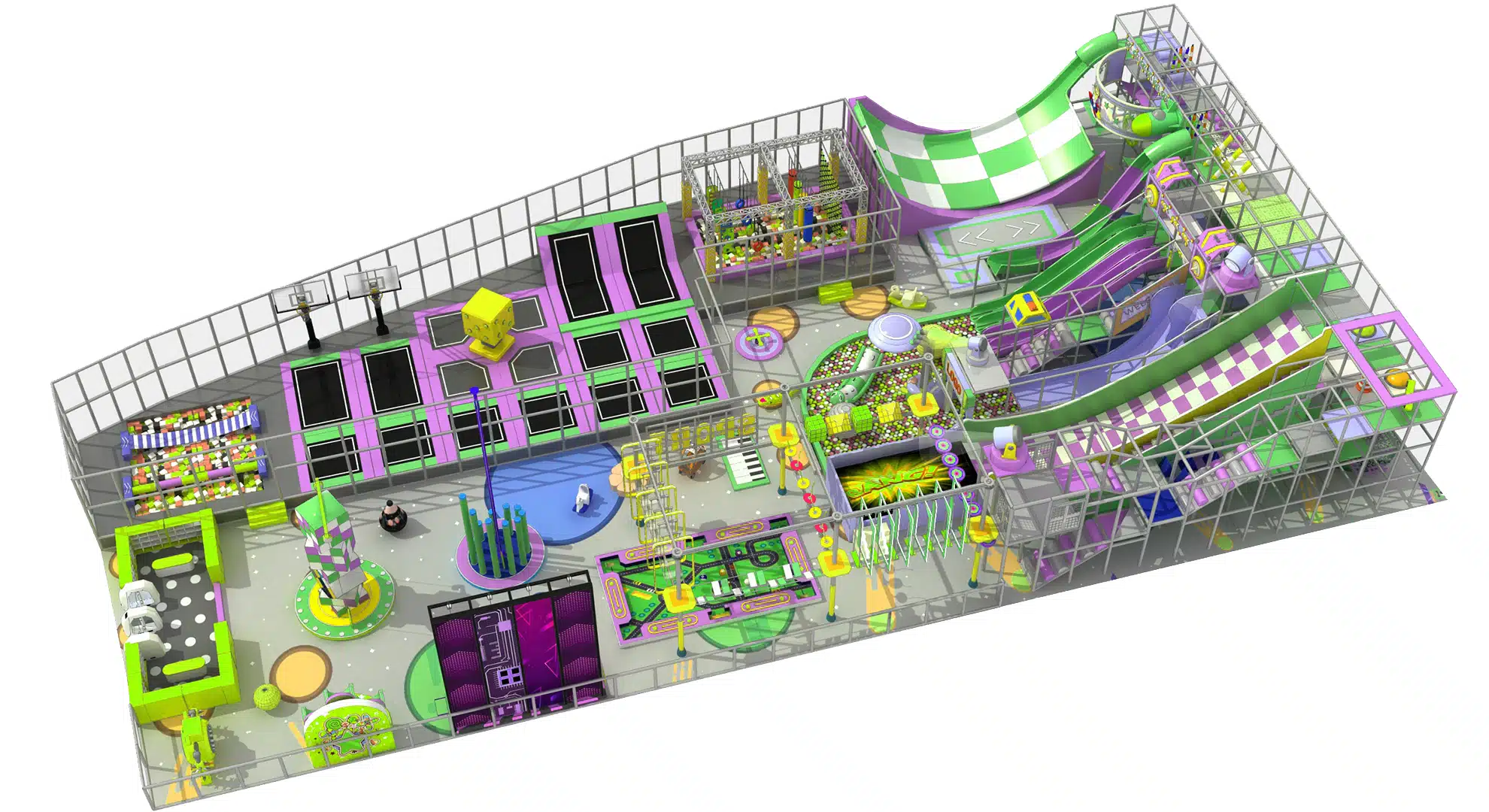
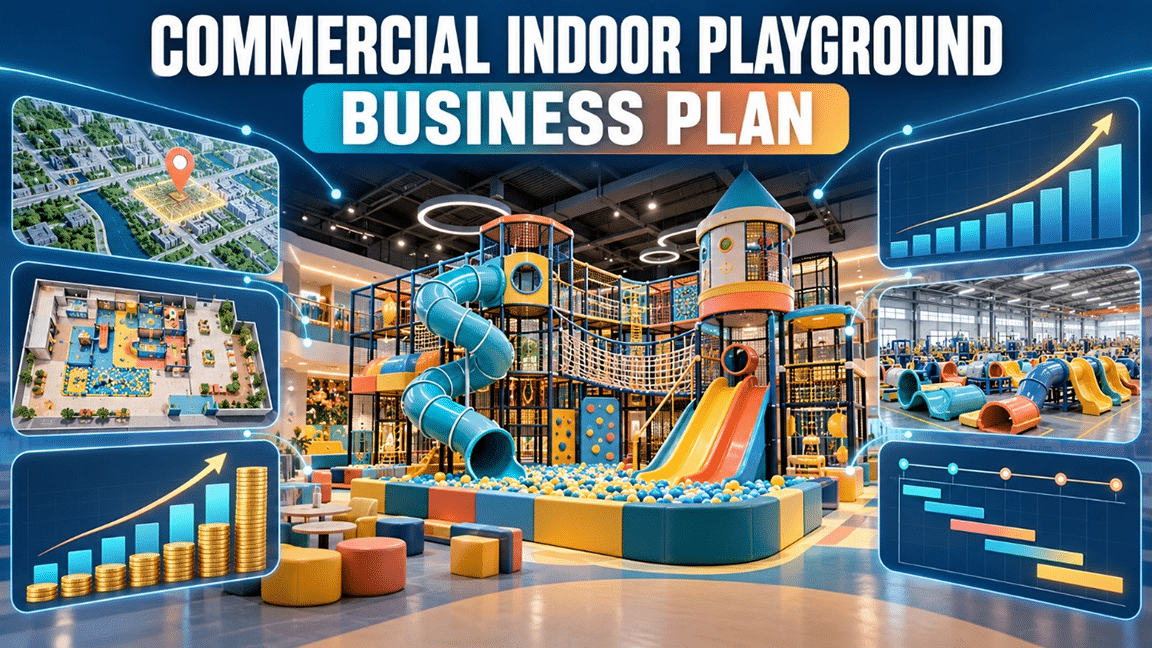
Before you prepare hardware, you should plan the Family Entertainment Center carefully. Confirm the target family profile, the physical constraints of the venue, and the total capital envelope. Also, figure out how revenue will actually be generated. Then, you should divide the floor around supervision and circulation. Finally, you can match Commercial Playground Equipment to the space.
Your target customers will affect your Commercial Indoor Playground operation. For stay-at-home parents, they are different from one built for school-age children. Make it clear whether they are after-school drop-in or a booked party.
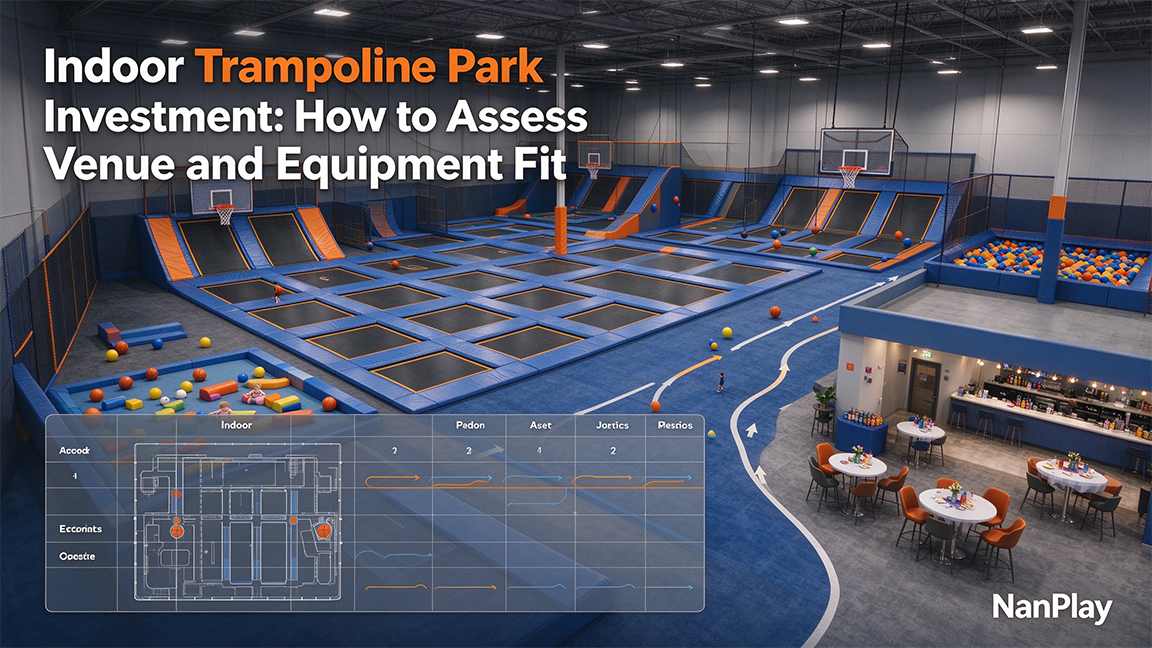
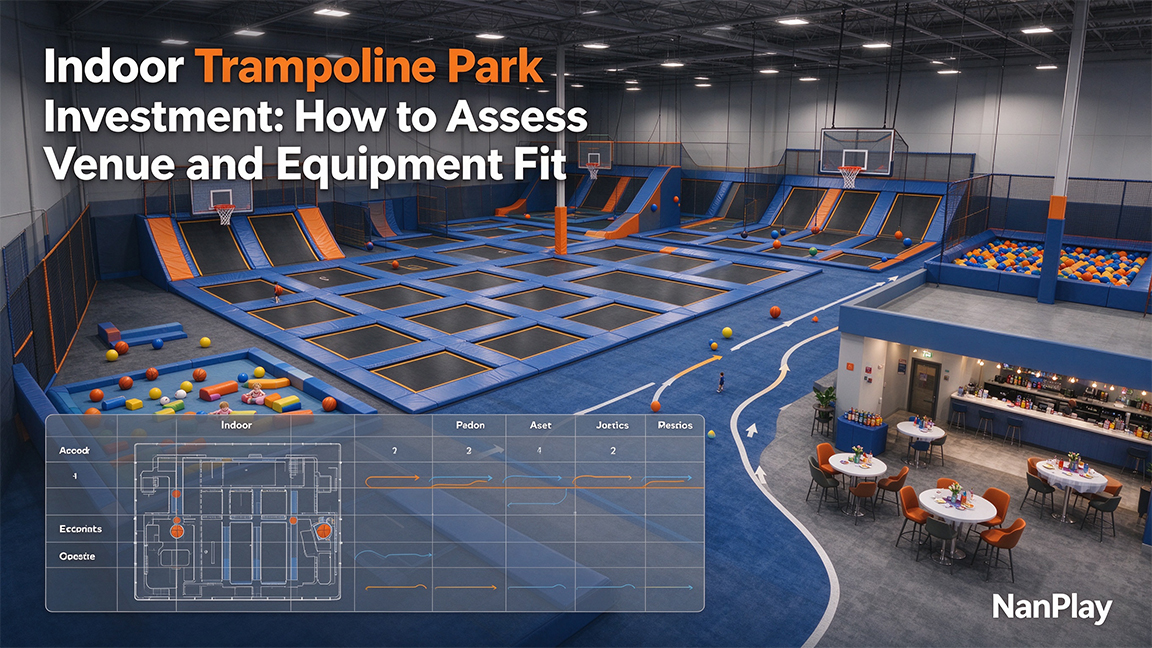
Before any supplier quote is useful,confirm venue physical possible,including Ceiling height, column grid, and entry position. If you want to build a double-height space, you should adopt a multi-level anchor structure.No matter what space you choose, Net height, floor loading, egress routes, and utility capacity are directly related to your Family Entertainment Center.
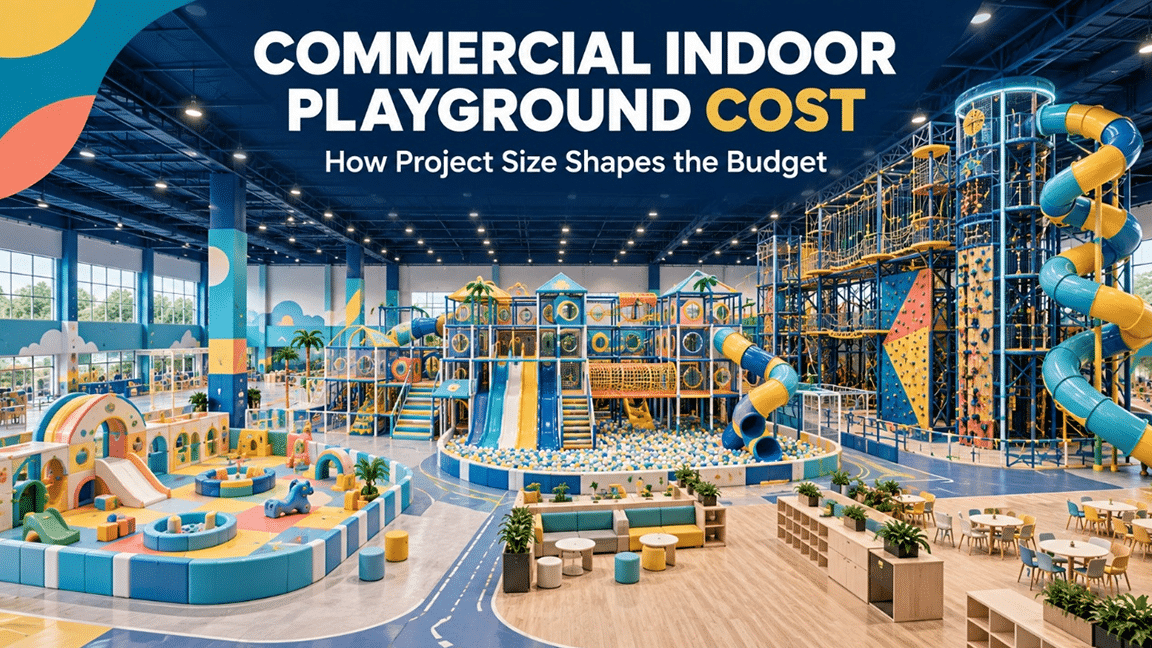
Your budget should cover various aspects besides equipment. There is no fixed budget at all. For a small-scale commercial indoor playground, it is roughly $50,000.A large one might cost $1 million or even more. Additionally, a medium one might range from $150,000–$300,000.What’s more, you might consume 25–35% of total project capital before you start the playground.
You can add many activities, like birthday parties and food and beverage.
| Decision Area | What Must Be Locked Before Equipment Selection |
| Venue | Usable footprint, clear height, column positions, entry/exit locations, utility and egress capacity |
| Customer | Primary age band, secondary users, group composition, peak visit duration and daypart |
| Attraction logic | One anchor experience, one toddler-safe zone, one active/challenge layer, and non-play revenue adjacencies |
| Budget | Equipment budget separate from fit-out, contingency, and 3–6 months of operating reserve |
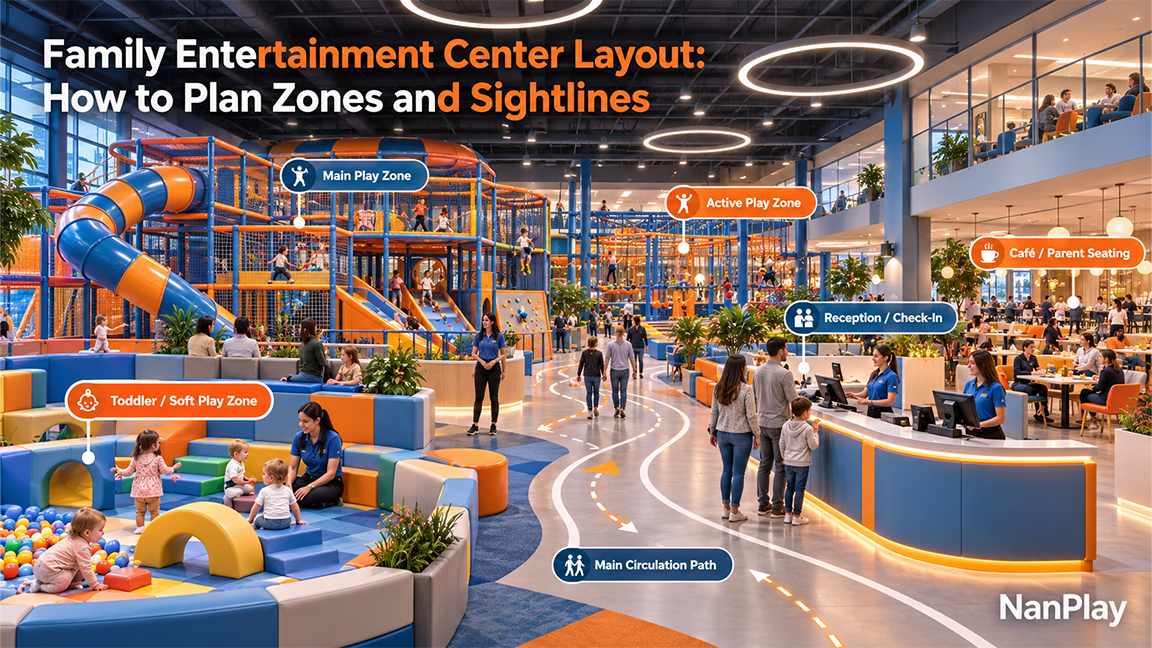
You can zone your FEC in the following parts:
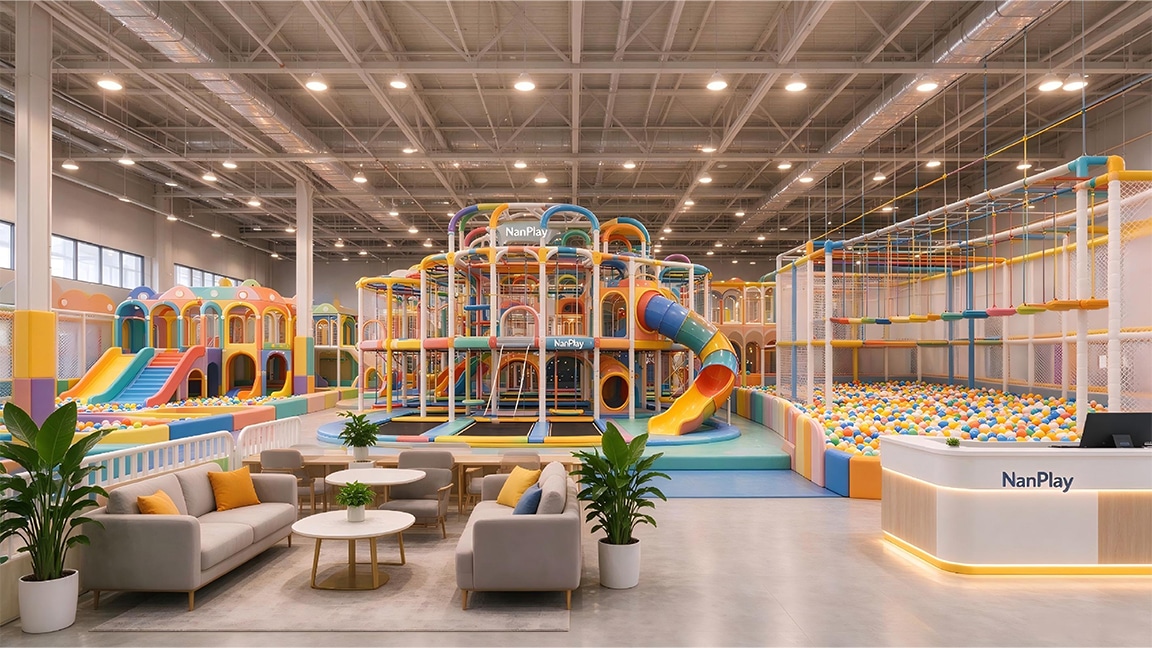
The anchor is vital to your venue. In your Commercial Indoor Playground, if you have an attractive anchor, it means you may become more competitive and attractive to your customers. Also, it is fun enough to make your clients feel fresh even without consuming every usable square meter.
This area should be separate from fast-moving traffic, including trampoline edges and slide exits. What’s more, place the toddler zone adjacent to parent seating with a soft boundary and a controlled entry point. It is a supported play area.
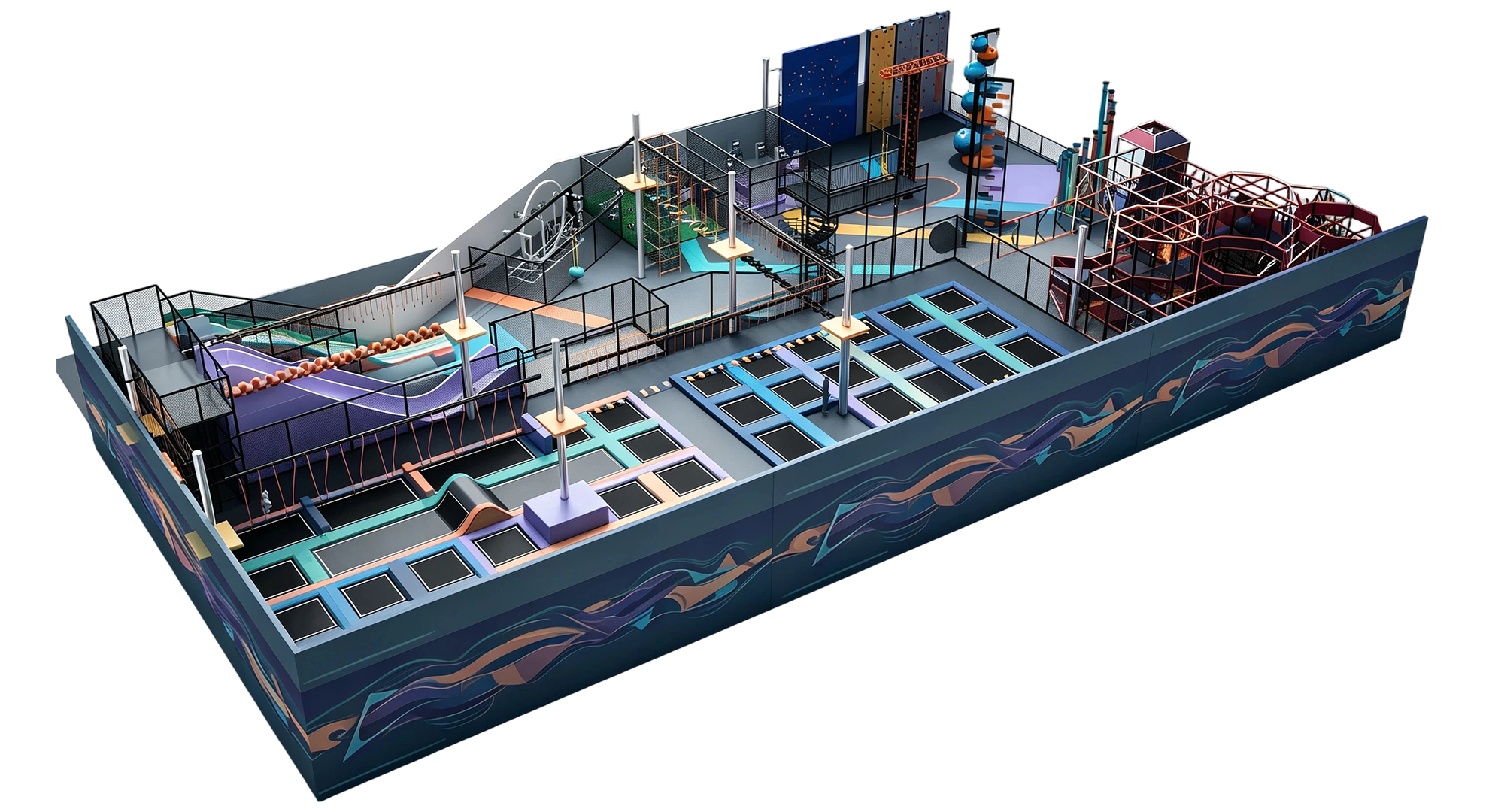
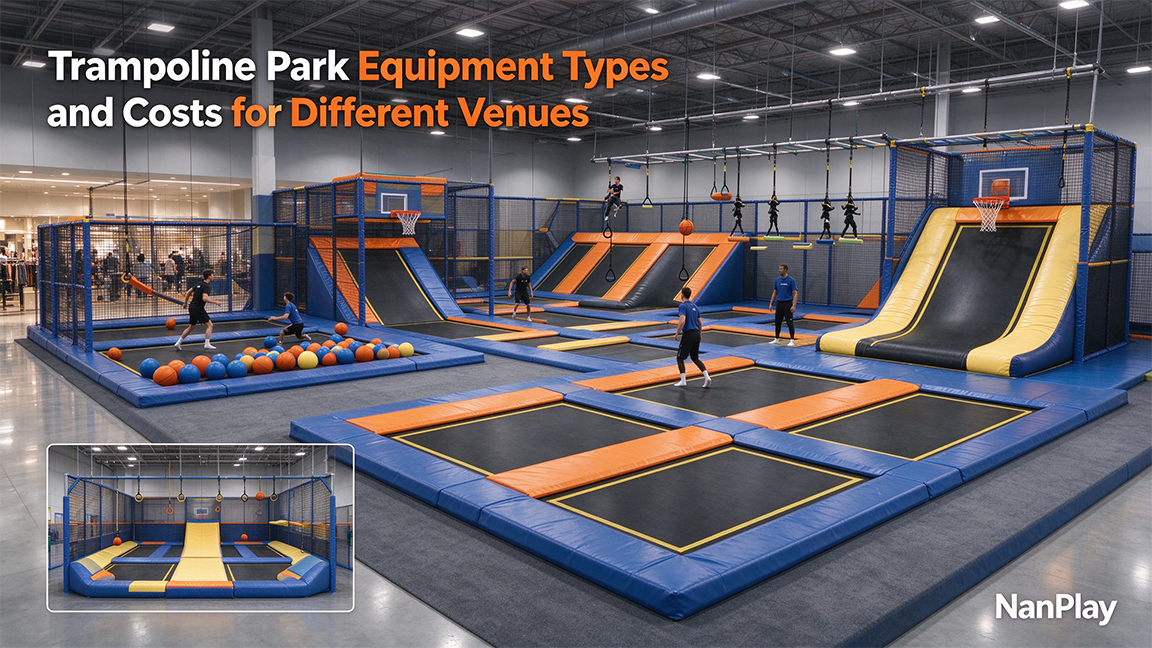
Lots of young children and teenagers are eager to do some challenges. You can put in facilities like trampolines, ninja courses, climbing walls, and so on. However, this equipment requires wide sightlines for proper supervision. Additionally, ceiling height is a key factor for your equipment.
For party rooms, allocate 10-10% of the total area. It really needs a separate service corridor for staff to restock. If you put Café and seating positioned near the exit, this might attract more clients and increase consumption. This can help customers stay longer so that it can convert a single-visit trip into a longer, higher-spend stay.

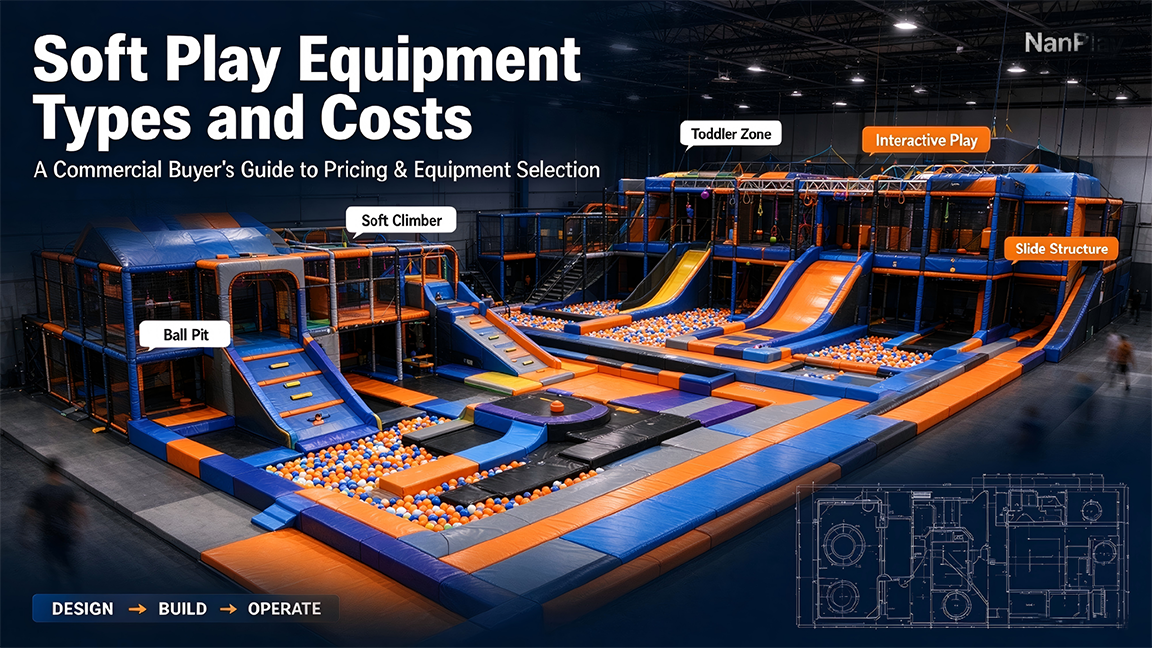
A balanced FEC does not maximize the number of attractions. It balances visual impact, age coverage, activity intensity, throughput, and the ability to refresh the offer later without rebuilding the venue. The practical mix usually includes a soft-contained play structure as the family anchor, a dedicated toddler and sensory area, an active challenge layer (trampoline, ninja, or climbing), and a redemption or interactive game wall that serves walk-in traffic and party groups between scheduled activities. Arcade and claw machine zones are a separate cost center: a functional 6–10 machine section with cashless payment infrastructure typically runs $25,000–$75,000 before fit-out.
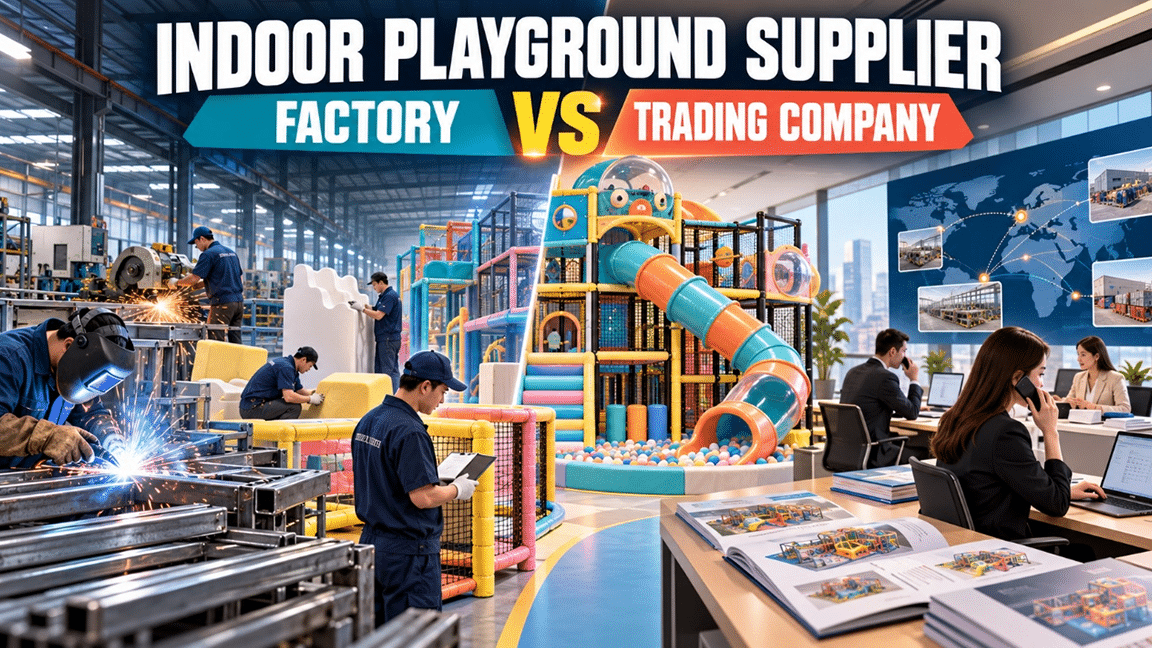
Start with certification and material evidence, not styling. Equipment should be certified to the relevant regional standard—ASTM, EN 1176, or the applicable local code—and supplied with traceable material records for load-bearing components, padding, and fire-retardant performance. Ask how the structure anchors to the building, what daily cleaning involves, and how the space divides by age group; these operational questions expose more about a supplier than a catalog page. The cheapest compliant quote is not automatically the lowest total cost of ownership: undersized components and thin-gauge frames drive maintenance labor and downtime that never appear on the purchase order.
Flow is the revenue model made physical. First of all, catch your customers’ eyes instantly when they enter your Commercial Indoor Playground. They can see a clear hierarchy so that they can have a complete plan. Secondly, the main anchor should follow up. Then, the food counter should be visible enough to register as a destination. Additionally, party groups need a separate ingress and egress route to avoid colliding with general admission. By the way, you can also set party rooms, café, and redemption counter along the path back toward the exit.
Family entertainment center costs are closely related to scope. For a small one, it is roughly USD 20,000-80,000. While for a large one, about USD 300,000+.Additionally, a medium one is in between.
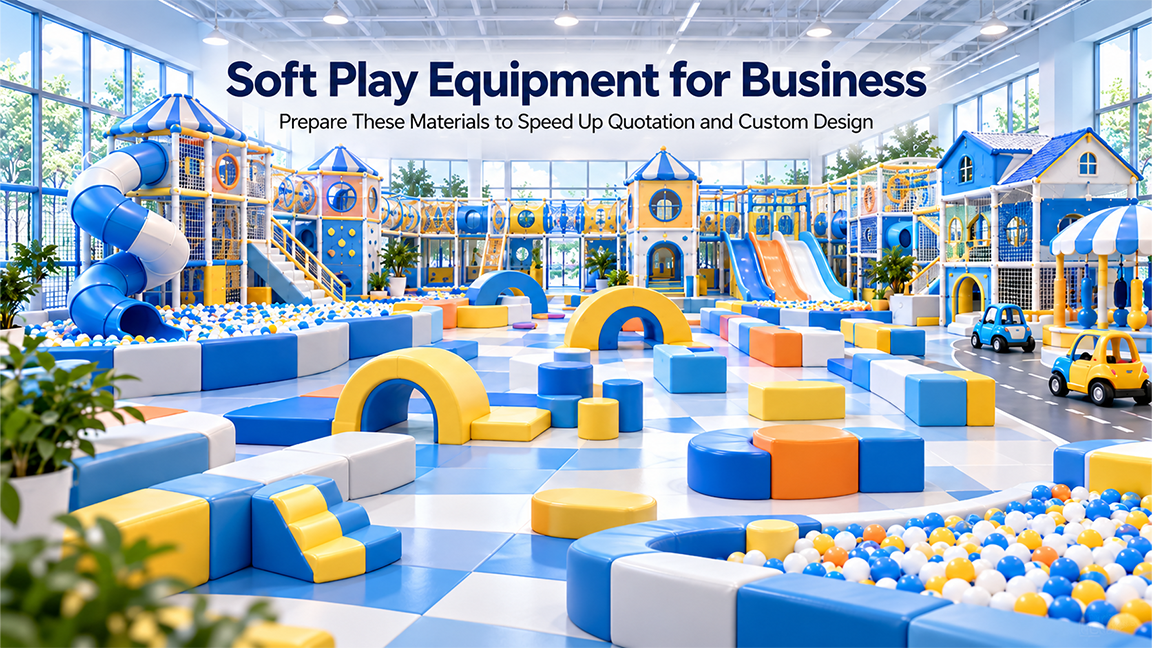
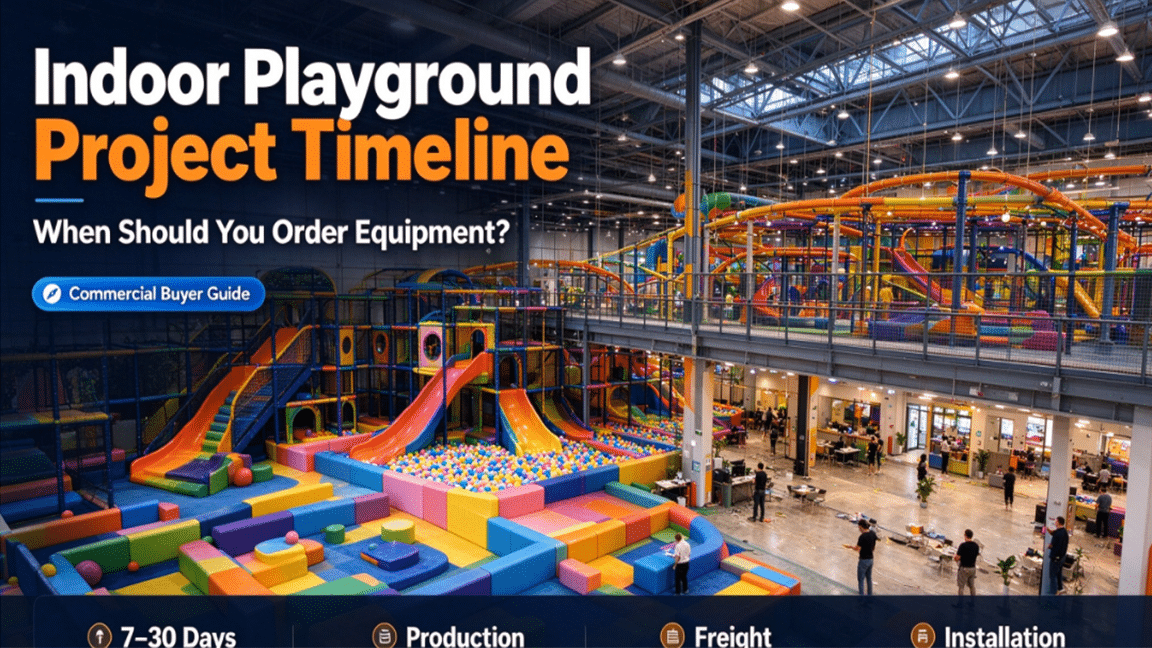
It covers many aspects, including concept, target customer, site status, area, ceiling height, budget range, and decision-maker. Then, it moves to site and feasibility review, concept and product mix, technical coordination, and a scope-and-price freeze. This should be finished before manufacturing begins. For a common installation, it takes 7-30 days, while a large one takes longer. Confirm all of your Indoor Playground information before you sign the contract.
Here are some things you should prepare:
There are some common mistakes. People usually forget to reserve an emergency budget when they encounter some tricky problems. Also, people may get shocked when they are repairing or maintaining equipment. Because they chose low-quality materials to save money. Additionally, a good layout can attract customers well and make them stay longer.
Define the customer and business model first. Secondly, assess the venue as a commercial space. Divide it into different parts based on age and supervision needs. Then map circulation. Thirdly, select equipment according to the plan. Finally,3D concept and engineering documents come.
It should include one family anchor, a separate toddler zone, an active challenge layer for teenagers, and a party adjacency.
There is no fixed minimum. For a community-scale FEC setup, it requires about 300–800 sqm. As for a regional mall FEC setup, it needs roughly 800–2,000 sqm. If you want to build a large one, it may need to exceed 2,000 sqm.No matter how much area you have, you have to consider clear height and available shape.
For on-site installation, it takes 7-30 days. If there are some things out of the ordinary, it takes longer. To make everything well, you should schedule it in advance.
This should include target age and group composition, peak visitor volume, clear height and entry/exit positions, all-in budget with contingency, revenue model, and local approval requirements.
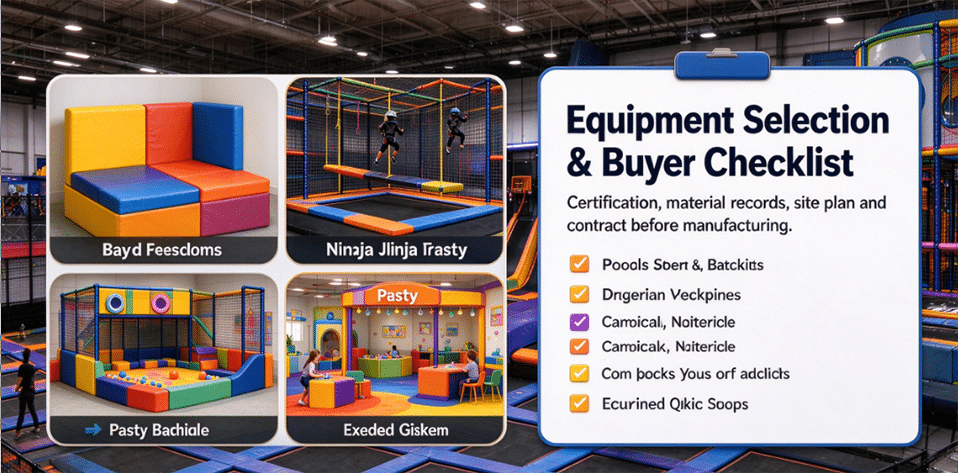
Here are some important things you should check:
Before you start your Indoor Playground, you should be clear about your ideas and plan well. Confirm detailed information about the venue. Then, schedule the equipment and install it step by step. If you are interested in a commercial indoor playground, you can contact us at Nanplay.
Thank you very much for your inquiry! Your trust is our greatest motivation. We are committed to offering playgrounds that combine high quality with affordable pricing. Let us bring vitality to your venue!